You may have heard that creatine is good for muscles, but did you know that it’s also good for the brain?
Creatine is one of the most popular and researched supplements in the world. Creatine isn’t just for athletes;
Seniors can benefit greatly from its use. Combining creatine with a balanced
Through diet and regular exercise, older people can maintain vitality and functionality over the years.
What is creatine and how does it work?
Creatine is a natural substance found in the body, primarily in the muscles, where it serves as a source of rapid energy. About 95% of creatine in the body is stored in the muscles in the form of phosphocreatine, while the rest is in the brain, kidneys, and liver.
The main role of creatine is to help repair adenosine triphosphate (ATP), a molecule that makes muscles and
It provides energy to the cells during intense activities. When we exercise or do mentally demanding work, ATP stores are quickly depleted, and creatine helps to replenish them faster.
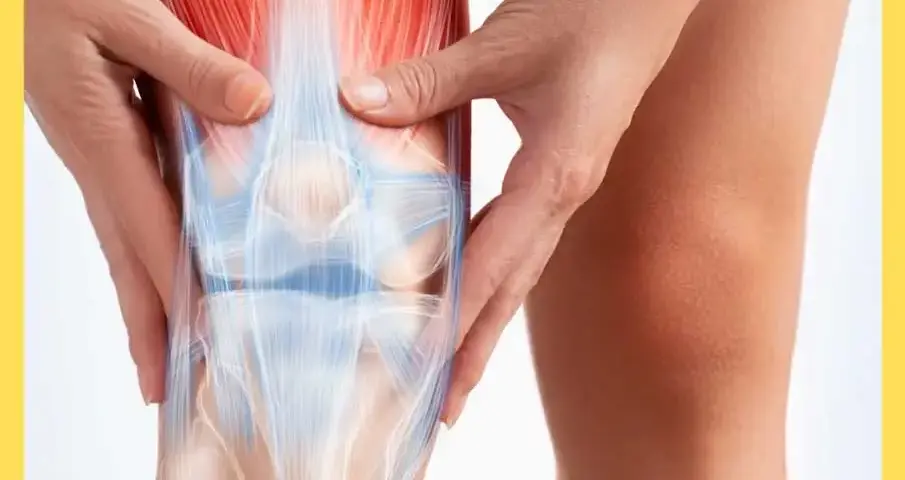
Effect on muscles
- Increase in strength and endurance
Creatine allows for better energy availability during high-intensity training, which leads to increased strength and endurance. This allows athletes to train harder and longer, which ultimately leads to greater muscle gain. - Muscle hydration
Creatine draws water into muscle cells, increasing their volume. This effect is known as - Cell volumization
It can also contribute to a feeling of fullness of muscles. - Faster recovery
Studies have shown that creatine can reduce inflammation and speed up muscle recovery after an intense workout, making it a crucial supplement for those who train frequently and intensely.
Impact on the cognitive system
The brain uses ATP for its functions, and creatine can increase the availability of energy in this organ as well.
- Improving memory and concentration
Research has shown that creatine supplementation can improve short-term memory and mental stamina, especially in people who engage in mentally demanding tasks. - Prevention of fatigue
Creatine can help reduce mental fatigue, especially in situations where the brain is working intensively, such as studying or solving complex problems. - Potential brain protection
Some research suggests that creatine may provide neuroprotective benefits, reducing the risk of neurodegenerative diseases such as Alzheimer’s or Parkinson’s.
Why is creatine the safest supplement?
If you’re looking for a supplement that’s been empirically tested and will get you results, then creatine is definitely for you. More than 500 studies have proven its effectiveness and safety. Unlike many other supplements, creatine has no serious side effects when used in the recommended doses (about 3-5 g per day).
Why is creatine useful for the elderly population?
1 . Preservation of muscle mass and strength
With age, there is a loss of muscle mass and strength, known as sarcopenia. Creatine helps maintain muscle mass by increasing the energy available to the muscles and supporting their function during exercise
activities.
2. Supporting bone health
Creatine can indirectly contribute to bone health. Maintaining muscle strength improves stability and
coordination, which reduces the risk of falls and therefore fractures. Some research also suggests that creatine may contribute to bone mineral density when used in combination with weight-bearing exercise.
3 . Improvement of cognitive functions
As we age, not only our physical strength decreases, but also our mental strength. Creatine, by increasing ATP levels, can help:
- Improving memory
- Reduction of mental fatigue
- Mental clarity and concentration
4 . Neuroprotective effects
Some research suggests that creatine may provide protection against neurodegenerative diseases such as
Parkinson’s and Alzheimer’s disease. This is related to its role in maintaining energy balance in the brain and reducing oxidative stress.
How to use creatine?
The most common form of creatine is creatine monohydrate. The usage practices are:
- Loading phase (optional): 20 g per day divided into 4 doses for 5-7 days.
- Maintenance: 3-5 g per day, long-lasting.
- Of course, before use, it is important to consult a doctor, especially if a person already has chronic diseases, kidney problems or uses certain medications.
References:
Xu , C., Bi, S., Zhang, W., & Luo, L. (2024). The effects of creatine supplementation on cognitive function in adults: a systematic review and meta-analysis. Frontiers in Nutrition, 11, 1424972.
Rawson, E. S., & Venezia, A. C. (2011). Use of creatine in the elderly and evidence for effects on cognitive function in young and old. Amino acids, 40, 1349-1362.
Roschel, H., Gualano, B., Ostojic, S. M., & Rawson, E. S. (2021). Creatine supplementation and brain health. Nutrients , 13(2), 586.
Avgerinos, K. I., Spyrou, N., Bougioukas, K. I., & Kapogiannis, D. (2018). Effects of
creatine supplementation on cognitive function of healthy individuals: A systematic
review of randomized controlled trials. Experimental Gerontology, 108, 166-173.