The effect of the PNF stretching method on the symptoms of cerebral paralysis
Cerebral palsy is a disease of the nervous system that is manifested by a set of various brain damages. The term “cerebral” refers to the brain; “Paralysis” refers to the loss or impairment of motor function.
Risk factors that can cause cerebral palsy are conditions that can be prenatal, perinatal, or postnatal in origin. Cerebral palsy is classified as a neurological disorder that occurs during pregnancy or in early childhood and occurs due to certain genetic predispositions, chromosomal abnormalities, trauma, infections and other teratogens.
Children with CP can show a very wide range of symptoms, including:
- lack of muscle coordination when performing voluntary movements (ataxia);
- stiff or tight muscles and/or excessive reflexes (spasticity);
- weakness in the limbs – one or both arms and/or one or both legs;
- walking on toes, crouching gait, or “shortened” gait;
- variations in muscle tone ( either too stiff or too relaxed);
- excessive drooling or difficulty swallowing or speaking;
- tremors (tremor) or random involuntary movements;
- Delays in achieving motor skills.
Spastic paralysis is the most common: it means that certain muscles, such as the legs or arms, are in constant high tension and are constantly contracted, making it difficult to make controlled movements. If spasticity persists for a long time, it can lead to shortening of muscles, tendons and ligaments, resulting in limited joint mobility and pain (spasticity ~ spasm).
Many empirical studies have shown that, for children with cerebral palsy, PNF stretching has the potential to ease and improve certain complaints in children with CP, such as:
1. Range of motion: It can improve the flexibility of tight muscles, allowing for better joint movement.
2. Reduction of spasticity: can help reduce muscle tightness and spasticity
3. Strength: Including muscle contraction, PNF can help strengthen muscles.
4. Motor functions: Improved flexibility and strength can contribute to better overall control and functional ability.
What is PNF stretching?
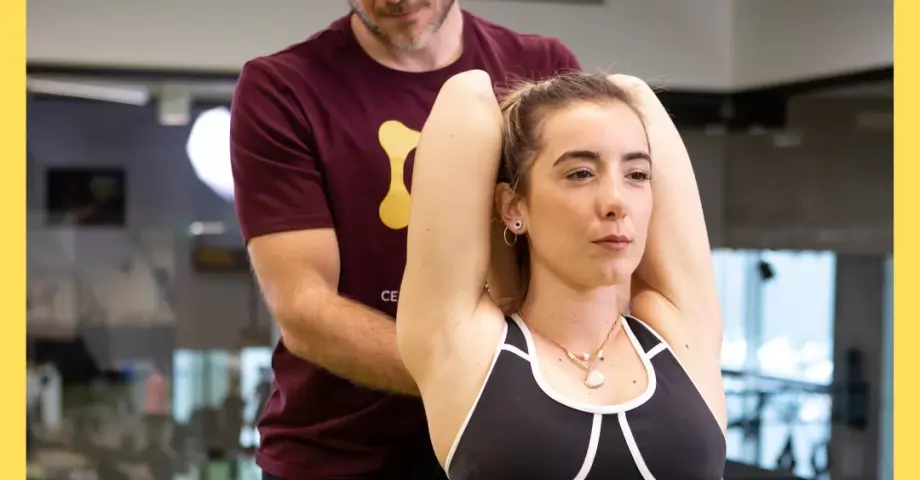
The acronym PNF stands for “Proprioceptive Neuromuscular Facilitation” – a stretching method used to enhance neuromuscular mechanisms by stimulating proprioceptors. Stretching in this way combines isometric, concentric, eccentric contractions with static and dynamic stretching of the muscles, thereby increasing the strength, elasticity of the muscles. At the same time, the strength balance (the relationship between the agonist and antagonist muscles) is improved and the stability of the joint is improved. In addition, it has a positive effect on blood circulation, muscle endurance and allows greater muscle relaxation, i.e. reduces tension.
Compared to other stretching methods, PNF techniques make the most rapid progress in the development of flexibility. It should be noted that not all research results are consistent and that the effectiveness of PNF stretching may vary depending on the individual condition of the child and the consistency of treatment.
For more details on the PNF stretching method, please visit:
More details on the effect of PNF stretching on CP symptoms:
More about CP: