Introduction: Menopause as a new chapter, not the end of energy
Menopause brings many changes – physical, emotional and hormonal. And while most approaches focus on supplements and therapies, the body has its own adaptation mechanisms.
Movement, breathing, and stretching can help make this process easier, more stable, and more conscious.
Stretching isn’t just a physical activity, it’s a way to regain a sense of control, balance, and connection with your body through movement.
1 . Hormonal changes and the role of movement
The decline in estrogen and progesterone changes the structure of muscles, connective tissue, and circulation.
Estrogen deficiency often leads to stiffness and joint pain because the flow of blood and nutrients to the tissues is reduced.
Regular stretching activates mechanoreceptors and improves circulation, thereby directly relieving symptoms of physical discomfort.
2 . Cortisol, stress and hormonal balance
In menopause, the body becomes more sensitive to stress due to the altered activity of the HPA-axis.
Chronically elevated cortisol further disrupts hormonal balance and affects sleep, mood, and appetite.
Light, conscious stretching routines have been proven to reduce cortisol and activate the vagus nerve, putting the body into a state of calm and regeneration.
3. Thermal stability and reduction of hot flashes
One of the most unpleasant symptoms of menopause is hot flashes and night sweats.
A 2023 study ( Maturitas Journal ) showed that a combination of gentle stretching and controlled breathing significantly reduced the frequency of hot flashes in perimenopausal women.
Nasal breathing and prolonged exhalation lower the activity of the sympathetic nervous system and help the body regulate temperature more easily.
4 . Preservation of joints, fascia and muscles
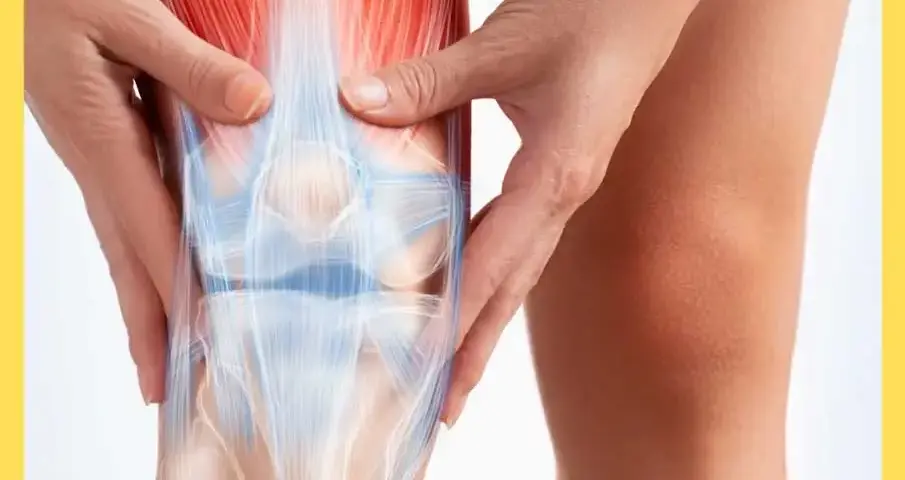
Estrogen affects the elasticity of collagen, and its decline causes a decrease in flexibility and an increased risk of injury.
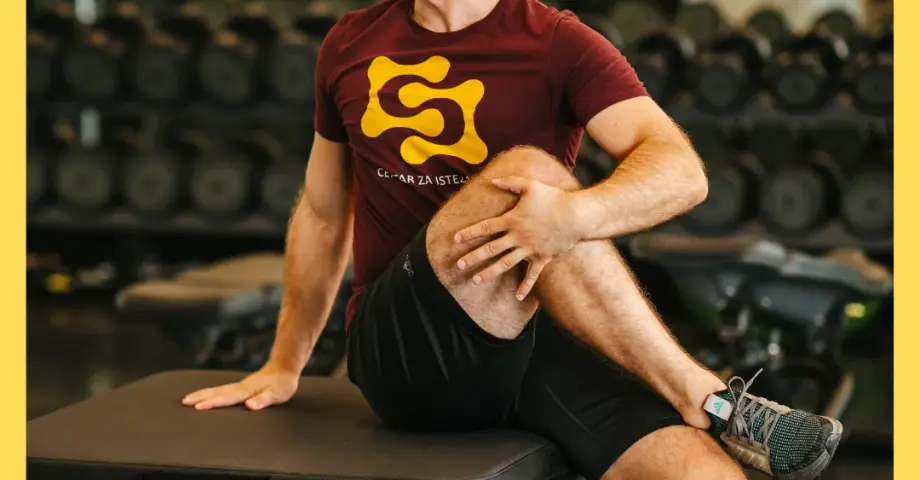
Stretching and light mobilizations help preserve fascial hydration and restore mobility.
When combined with stabilization exercises, pain in the back, shoulders and pelvis is reduced, bringing everyday movements back to ease.
5 . Mental and emotional effects of movement
Hormonal changes also affect neurotransmitters that regulate mood.
Mild stretching increases the secretion of serotonin and dopamine, while slow breathing stimulates the release of oxytocin – the hormone of connection and calmness.
That’s why after a stretching routine, there is often a feeling of peace, clarity and relief – not only in the body, but also in the mind.
6 . Menopause as an opportunity to redefine the relationship with the body
This period of life does not have to mean a loss of energy, but an opportunity to create a new, more conscious routine that supports regeneration and presence.
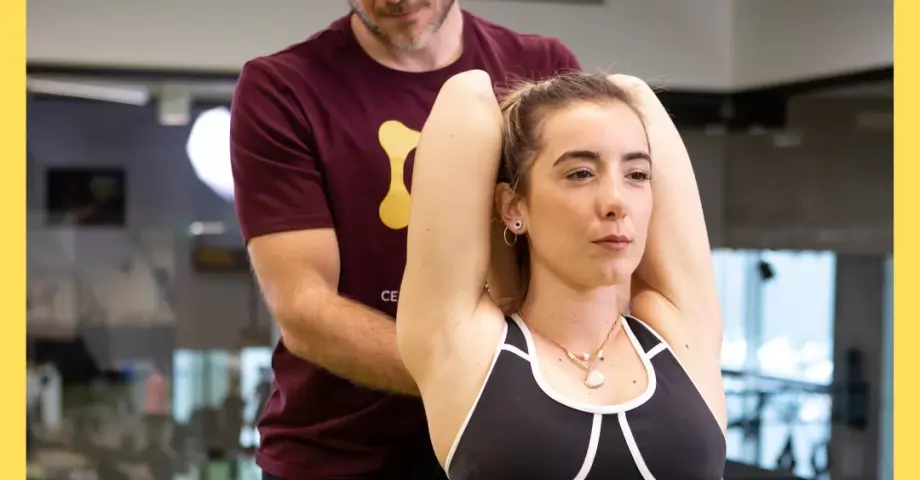
Through guided stretching, mindful breathing, and the balance of body and mind, it is possible to rebuild confidence in your own body and its ability to adapt.
Conclusion: Movement as a new balance
Menopause doesn’t have to be a period of stagnation. On the contrary, it is a time when the body can learn new patterns of calm and stability.
Through light stretching, focused breathing, and conscious presence, women can find their new rhythm, renewed energy, and sense of inner lightness.