The energy needed for cellular functions during rest and muscular exertion is obtained by the body from carbohydrates, fats and proteins.
Energy for muscle work can be created anaerobically, by the process of glycolysis, where glucose or glycogen is exclusively broken down, or aerobically, by the Krebs cycle, where the metabolic products of glycolysis are used together with fatty acids through the process of beta oxidation. When the body is at rest, most of the energy (about 60%) comes from burning fat, while a significantly smaller (about 35%) proportion of carbohydrates comes from carbohydrates. The remaining 5% comes from protein. During muscular exertion, the relative share of fuel in the production of energy required depends on the intensity and duration of exercise, as well as the athlete’s diet and training level.
The role of proteins
Carbohydrates and fatty acids are the preferred fuel that serves as a source of energy during exercise. With prolonged exercise, muscle glycogen reserves decrease, and proteins begin to be used. Amino acids are converted in the liver through gluconeogenesis and lead to oxidative processes.
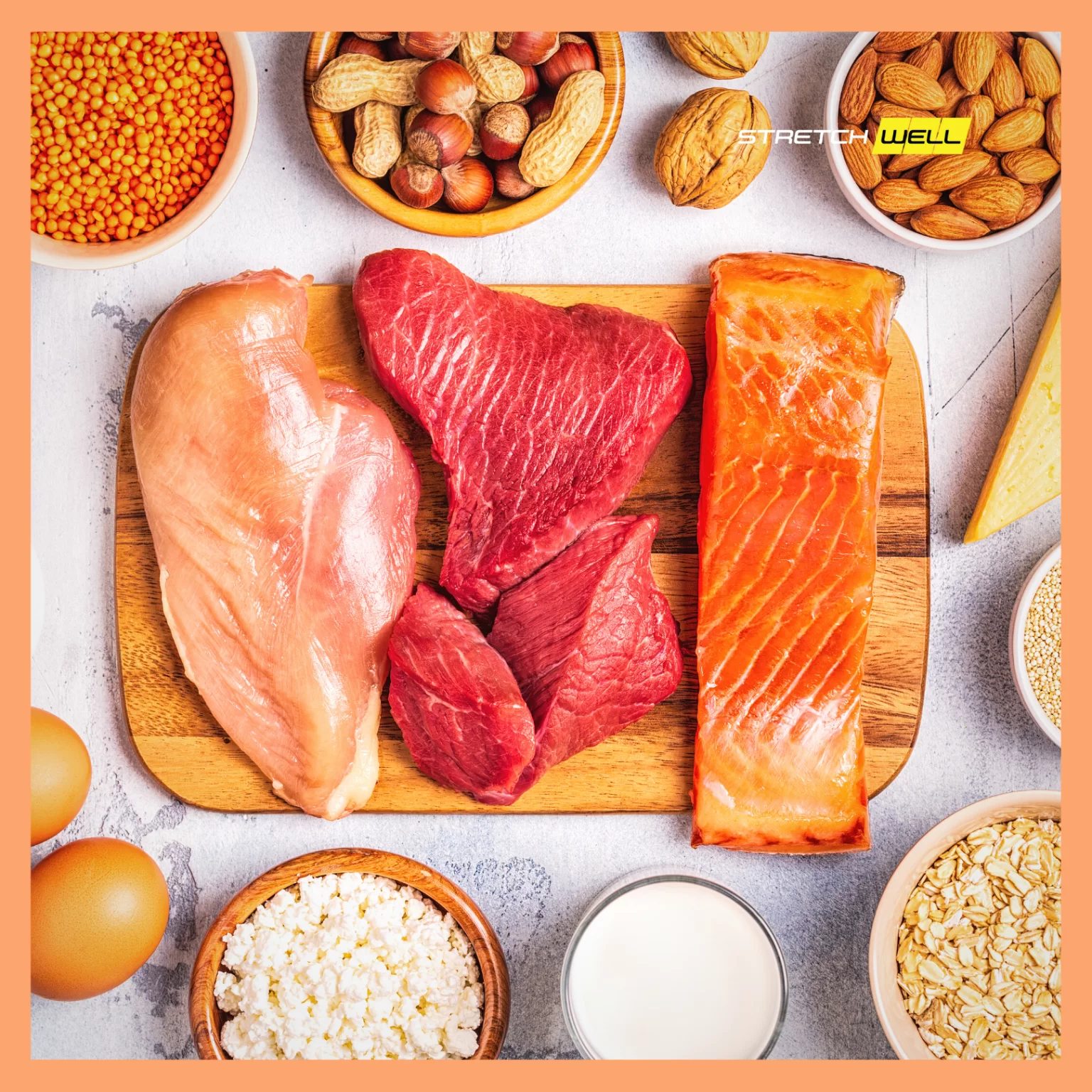
Many athletes have the view that protein is the most important thing for achieving good results in sports. In strength sports, some kind of protein supplementation is increasingly used. Excess protein intake reduces the possibility of adequate intake of other essential nutrients. There are also situations in which the need for protein is higher than the athlete consumes. Competitors in aerobic endurance sports, who look lean and less muscular than, for example, weightlifters, actually have almost as high protein requirements (per unit body mass) as athletes in strength sports. The recommended daily level of protein intake for the general population is 12-15% of total calorie intake, which would amount to some 0.8 grams of protein per kilogram of body weight. Athletes need more protein because of their higher lean body mass, greater need for tissue repair, and because a small amount of protein is burned during physical activity. This increases the protein needs of athletes by approximately twice that of non-athletes (1.2 to 1.7 grams per kilogram).
The rule of sports nutrition is that carbohydrates have a protein-sparing effect. This means that if an athlete ingests enough carbohydrates for energy purposes, protein will be spared from being burned so that it can be used for much more important functions.
Recommendations for increased protein intake in athletes are based on four factors. Athletes usually have a larger lean body mass, which requires more protein to maintain; They lose a small amount of protein through their urine (a phenomenon known as proteinuria), burn a small amount of protein during physical activity (approximately 5% of total energy burn) and need an extra amount of protein to recover from muscle damage caused by training.
High-protein foods have a low rate of gastric emptying, so it is not recommended to consume them immediately before or during exercise.