To begin with, it is necessary to note that any quality training (individual or group) should contain some basic components that should not be skipped. This applies to athletes, but also to recreational athletes. Each training process, in addition to the main part of the training, must also include a part of the time dedicated to myofascial relaxation, stretching and mobility.
The protective role of fascia
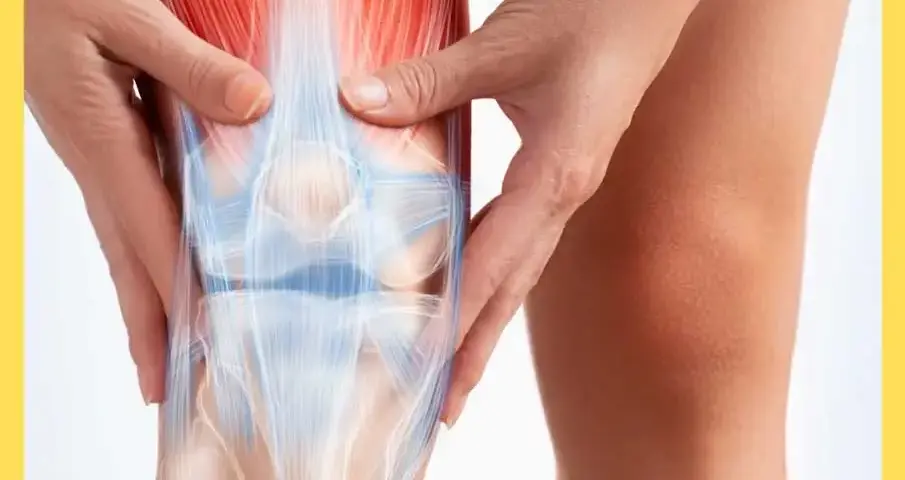
Fascia is a soft connective tissue that wraps around our bones, muscles, organs, nerves, and blood vessels. Playing sports, i.e. Some physical activities, in the long run, can affect the muscles in terms of spasms and shortening, as well as the formation of small microtraumas and scars.
To protect the muscles, there is fascia. Fascia, due to its protective role, begins to shrink and thicken when exposed to stress. Sometimes the fibers and fascia contract so tightly that they form a so-called “trigger point” that manifests itself as a sore spot that needs to be relaxed. Consequently, movement is restricted, and this can potentially cause unwanted injury.
As already mentioned, the contraction of the fascia itself takes place in response to stress (in this case stress = activation of muscles during an activity) and it is not possible to activate it voluntarily. In order to minimize the risk of injury, it is necessary to return the fascia to its original state, which can be achieved by myofascial relaxation and stretching.
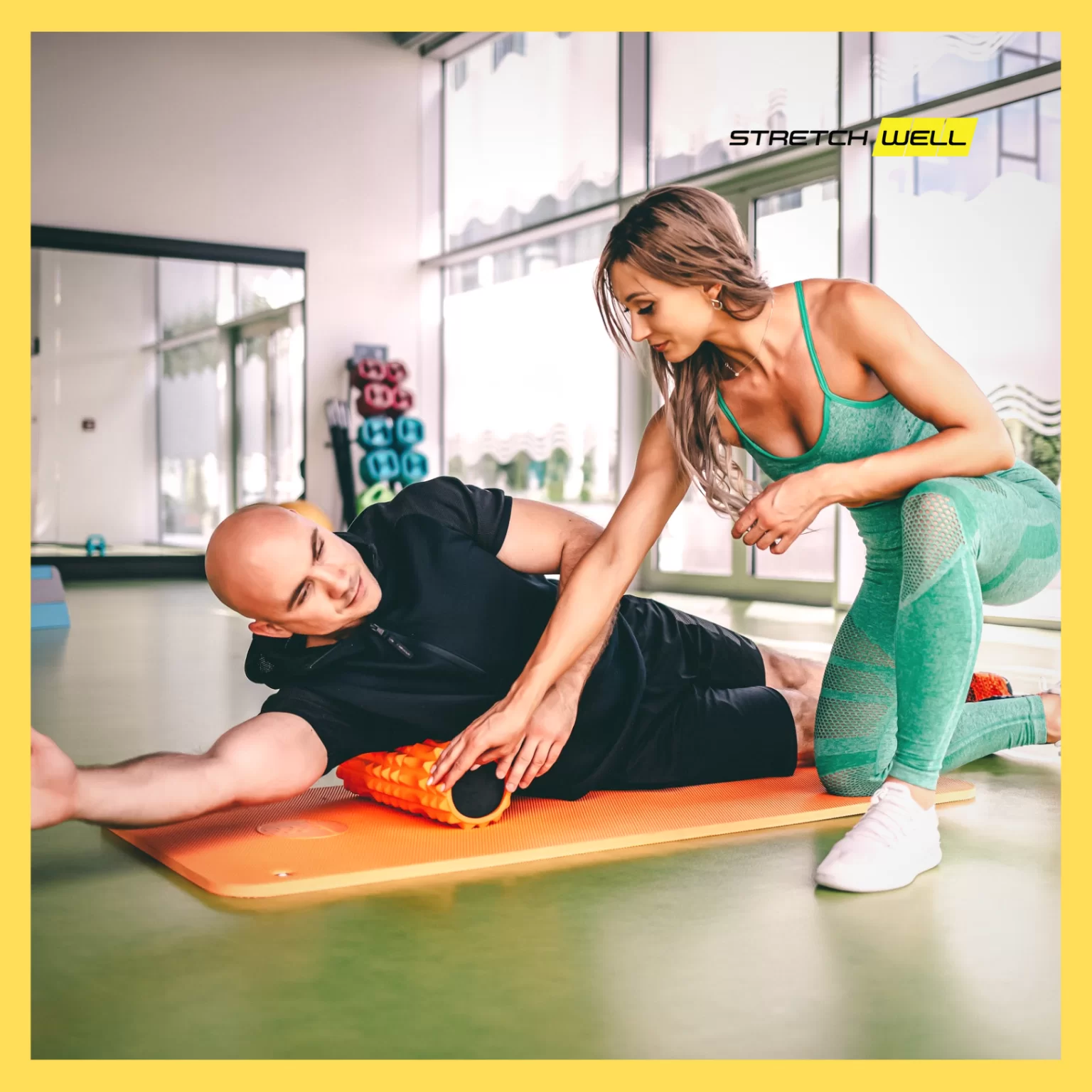
Myofascial relaxation is performed with the aim of relaxing the fascia and muscles and their quality preparation for the upcoming stretching as the second part of the introduction to training, but also for other exercises in the main part of the training. It is performed using a roller, balls of different sizes or self-massage rollers. The focus is on the parts of the body that are problematic, so it depends on the individual needs of each person.
When using a roller, roller skating is performed with the weight of our own body, so there is a relaxation of the muscles and stretching of the fascia, breaking knots on the muscles and scars on soft tissues. This improves the quality of soft tissues and achieves better circulation in the muscles. Rolling is performed in the direction of the muscle fibers so that it does not elongate in the wrong direction and consequently loses its function (the emphasis is that it is performed from the proximal to the distal part).
Balls are often used to relieve pain in the already mentioned “trigger points”. This breaks the so-called knots that arise due to daily activities and training, so a certain heat and friction is created, which later allows greater elasticity of the fascia and a greater range of motion. By putting pressure on the muscle, blood circulation improves, and drainage removes harmful things, so that muscle fibers restore the ability to function optimally.
In addition to the introductory part of the training, at the end of the training, myofascial relaxation is performed with the aim of reducing inflammatory processes and encouraging better muscle recovery.
The mentioned ways to independently carry out myofascial relaxation are becoming more and more popular today, not only with athletes and fitness centers, but also with people who have a sedentary lifestyle. Due to inactivity, muscle cramps occur, the general anatomy of the locomotor system changes, and the muscles are painful and consequently lose function. The roller or balls can be used on almost any muscle on the body. After sitting at work for a long time, rolling your back really relaxes and helps remove painful knots that arise due to improper posture and non-physiological sitting position.
After myofascial stretching, we move on to stretching, which always has a much better effect. With the help of stretching, we can influence the permanent flexibility of the muscles and thus realize their full potential.
Stretching
Stretching is a physical activity in which muscles lengthen their entire length to improve their function, elasticity and greater amplitude of movement, thus improving the quality of life of athletes and the general population.
It is necessary to work on flexibility 2-3 times a week to maintain and improve the level of flexibility. Several factors affect flexibility, such as: joint structure and surrounding tissue, age, gender, and physical activity.
Types of stretching
Static stretching
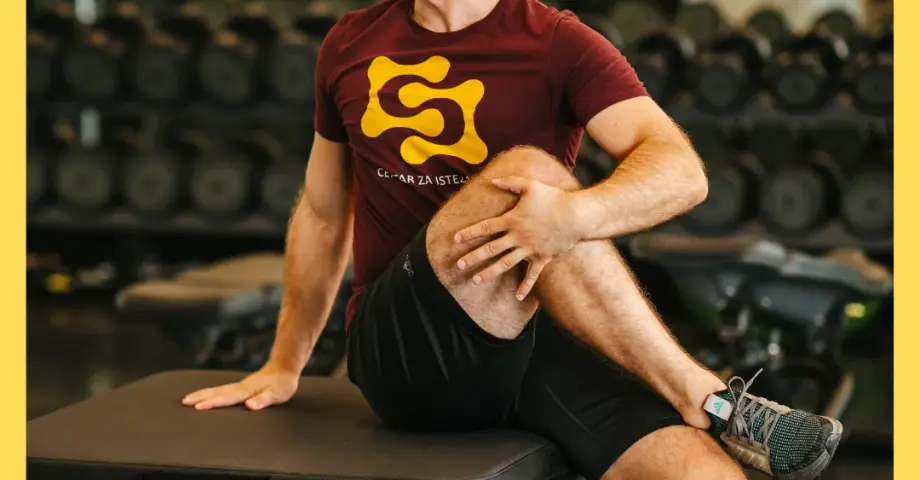
Static stretching is the most commonly used method for developing flexibility and involves achieving the desired position and holding it for 15-20 seconds, it can be performed actively or passively.
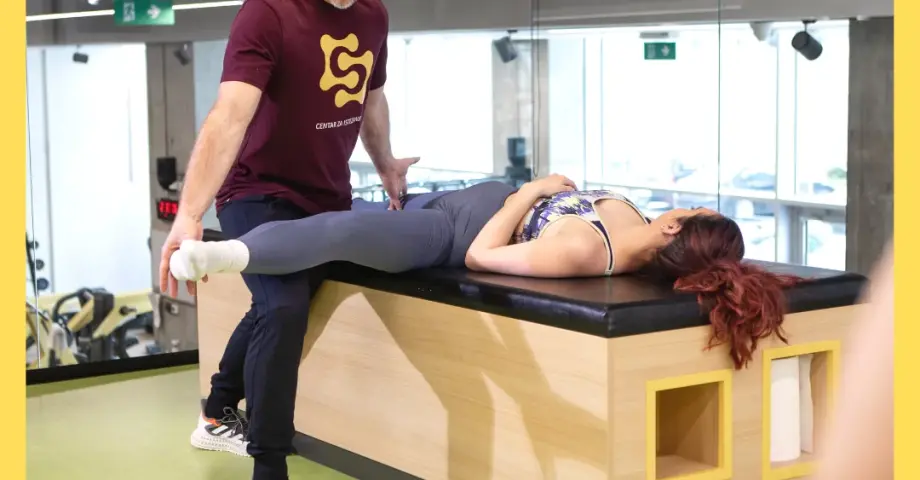
Passive stretching is a method that uses aids, a partner, another part of the body, or one’s own weight to achieve and maintain an extended position in the joint.
Active is equal to dynamic, in which we increase flexibility with the crucifixion. If there are restrictions or the appearance of pain, it is necessary to be careful and not force the movement too much so as not to cause unnecessary damage to the muscles.
Dynamic stretching
Dynamic stretching is an integral part of any form of exercise and physical activity in which we increase flexibility through movement. We perform dynamically similar and specific movements that we use in the main part of the training with the aim of reducing the risk of injury.
Ballistic stretching
Ballistic stretching is a type of stretching in which we achieve the maximum amplitude of movement in static stretching, and then try to make short movements with a pulse over a jerk to achieve greater range and improve stretching.
PNF method
The PNF method is the most commonly used method of stretching in which we achieve the maximum range of motion by static stretching, after which we contract the muscle with isometric contraction for 10-15 seconds, after which it relaxes for 2-3 seconds, then we go to additional passive stretching of the muscle, but with a greater range of motion.
Thus, the muscle reflexively relaxes due to the stimulation of the Golgi apparatus located in the tendon. It is used to protect the tendon from rupture due to the influence of excessive force and sudden curved movements.
There are two types of movement in this method: contraction-relaxation and contraction-relaxation-contraction. The second is the stretching and contraction of the agonist and antagonist, where after the contraction there is no more passive stretching until the muscle is rested.