Impingement is one of the most common causes of shoulder pain. This condition occurs when a tendon or bursa is pinched in the shoulder. Excessive activity or frequent repetition of the same movements are the most common risk factors that lead to pinching. The problem is often exposed to athletes (swimming, tennis), and sometimes the causes lie in abnormalities in the bones themselves, that is, the shoulder joint. The problem occurs most often in middle-aged people. A sore shoulder can also be the result of an injury, and sometimes it occurs on its own and has no obvious cause.
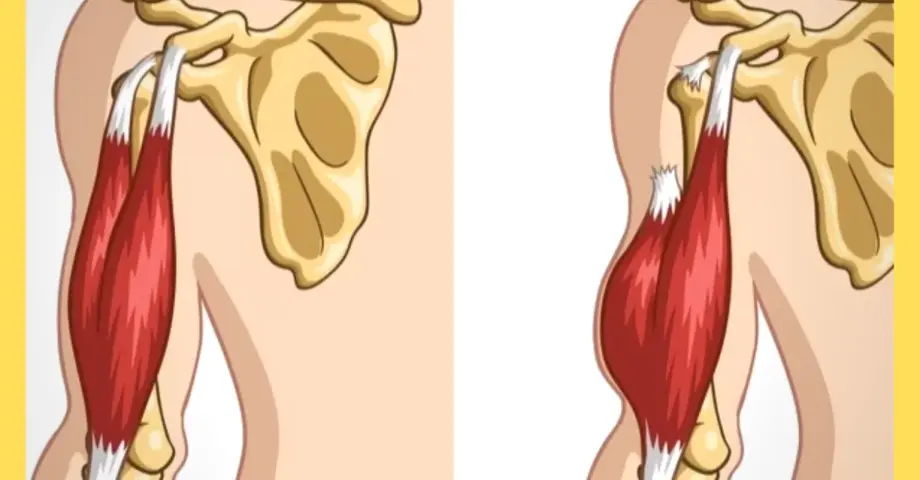
With acute impingement, there is irritation of the mucous sac (bursitis), which is located just above the shoulder joint and is characterized by its thickening and an increased amount of fluid in it. The condition is usually reversible, i.e. After the cause ceases, the stock market fully recovers. If left untreated, this condition can progress to a chronic stage in which the mucous sac is thickened, sometimes filled with fluid, and bone growths on the bone above the mucous sac (acromion) are possible. The situation is inevitable. Then there is also irritation of the rotator cuff tendon (supraspinatus) and its rupture is possible.
A specific condition is impingement combined with the appearance of calcifications in the tendon of the rotator cuff (calcifying tendinitis, tendinitis calcarea). When kneading the tendon, it is possible that it spills into the bursa and gives very severe pain.
Shoulder pain is the main symptom and is initially most common when raising the arm above shoulder level, and especially when moving that resembles throwing a ball, and daily activities are a problem. The patient usually does not report to the doctor at this stage because the expectation is that the condition will go away on its own, which often happens. The pain can spread down the arm to the hand or neck. Over time, a honic state can occur in which the pain is more or less constant, and intensifies during activities. If left untreated, this condition can cause damage to the rotator cuff tendons. Swelling occurs in the muscles, which further causes secondary problems, such as reduced blood circulation in the muscles and their atrophy. All this leads to a weakening of the strength of the shoulder muscles. The muscles become tense and one falls into a vicious circle that leads to increasing pain and a decrease in activity in the shoulder. With calcifying tendinite, the pain is severe and sudden, and the condition looks very dramatic.
The goal of the therapy is to reduce pain and restore normal shoulder function. When determining treatment, the age, activities of the patient and general health should be taken into account.
Non-operative treatment
The blockage is given into the mucous sac, preferably under ultrasound control. It works by reducing irritation and therefore pain in the shoulder.
Physical procedures (primarily kinesitherapy) are a necessary part of the treatment and are most often recommended after the blockade has been given. They are aimed at strengthening the stabilizer muscles of the shoulder as well as the shoulder blade.
Rest and adaptation of daily activities to the sore shoulder because it is very important not to provoke an already irritated mucous sac.
Surgical treatment is recommended in cases where conservative treatment fails. Arthroscopic removal of the bursa is performed with the so-called decompression – removal of the bone growth that is above the bursa. The surgery is minimal and the recovery is fast.