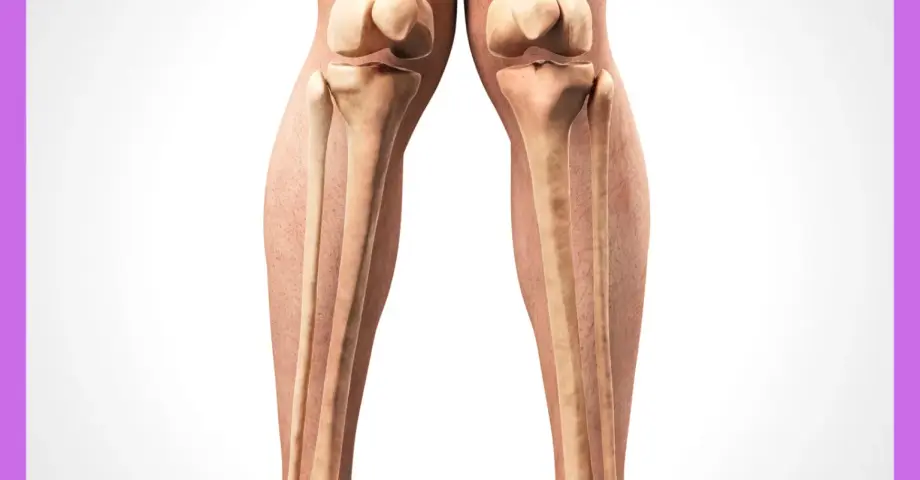
Why the body does not calm down and when there is no danger
Many people today live without a real physical threat, but their bodies behave as if they are constantly in danger.
Tension in the muscles, a feeling of inner restlessness, superficial breathing and the inability to relax have become commonplace.
Modern neurophysiology shows that the problem is often not in the thoughts, but in the autonomic nervous system.
If the body does not receive a physiological signal of safety, the brain will not allow calm down – regardless of the rational understanding of the situation.
Autonomic nervous system and regulation
The autonomic nervous system plays a key role in the regulation of stress, recovery, and homeostasis.
Its two main branches are:
- sympathetic system – activation, alertness, protection
- parasympathetic system – recovery, regeneration, calming
In chronic stress, there is a permanent shift in balance towards sympathetic activation, even in the absence of real danger.
This condition is increasingly associated with chronic pain, sleep disorders, anxiety, and fatigue.
How the body sends a signal to the nervous system
The nervous system doesn’t just respond to thoughts and emotions.
He constantly receives information from the body through:
- proprioception (information about position and movement)
- mechanoreceptors in muscles and fascia
- Breathing patterns
- level of muscle tone
Research shows that limited movement and chronic stiffness increase feelings of insecurity in the nervous system.
A body that does not move freely sends a signal that the environment is potentially risky.
Limited mobility as a factor of chronic activation
In people with reduced mobility, the following are often observed:
- increased basal muscle tone
- Reduced breathing variability
- increased reactivity to stress
Modern literature increasingly emphasizes that mechanical limitations in the body directly affect nervous regulation.
When the body is unable to move through the full range of motion, the nervous system remains in protection mode.
This explains why many people fail to calm down through meditation or breathing techniques either because the body remains rigid.
Mobility as a tool for regulation, not stimulation
Low-intensity mobility plays a unique role in the regulation of the nervous system.
In contrast to intensive training, it:
- does not increase the stress response
- Reduces sympathetic activation.
- Promotes parasympathetic dominance
Slow, controlled movement over a longer range of motion increases sensorimotor input and alters the perception of safety.
The body receives a clear signal that it can release protective tension.
The role of breathing and thoracic mobility
One of the key factors in regulating the nervous system is breathing.
The mobility of the chest and thoracic spine directly affects the quality of inhalation and exhalation.
Studies show that prolonged exhalation and better diaphragmatic activation increase parasympathetic activity.
Mobility involving the torso and ribs allows for just such a breathing pattern.
That is why mobility and breathing are increasingly seen as inseparable tools in modern practice.
Why calm can not be “forced”
One of the common myths in popular culture is that calmness can be achieved by will.
However, the nervous system responds only to physiological signals, not to rational decisions.
If the body is stiff, breathing is shallow, and the muscles are in constant tone, the brain has no evidence that the condition is safe.
Mobility provides this proof through changing pressures, movements, and sensory feedback.
The Long-Term Effects of Consistent Mobility
Research shows that consistent, low-intensity practices have a cumulative effect on the nervous system.
Over time, it comes to:
- Lowering of basic sympathetic activation
- faster recovery after stress
- Reducing chronic tension
- better sleep and stress tolerance
Calm then ceases to be an exception and becomes a new baseline of functioning.
Mobility as a part of modern somatic practice
In modern health science, there is an increasing focus on somatic approaches – methods that work with the body as the primary regulator of the nervous system.
Mobility in this context is not used to increase performance, but to restore balance.
This is why mobility today occupies a central place in the treatment of pain, stress and sleep disorders.
Conclusion : Calming is a learned state
The body doesn’t learn calm through explanations, but through experience.
Mobility provides just that – a safe, controlled way for the nervous system to relearn what a non-threatening state looks like.
In The Science of Feeling Better, we look at mobility as the foundation of regulation, not as an adjunct to training.
Because a body that moves more freely – calms down more easily.