The body remembers what the mind suppresses
Emotions are not just in the head, they live in the body.
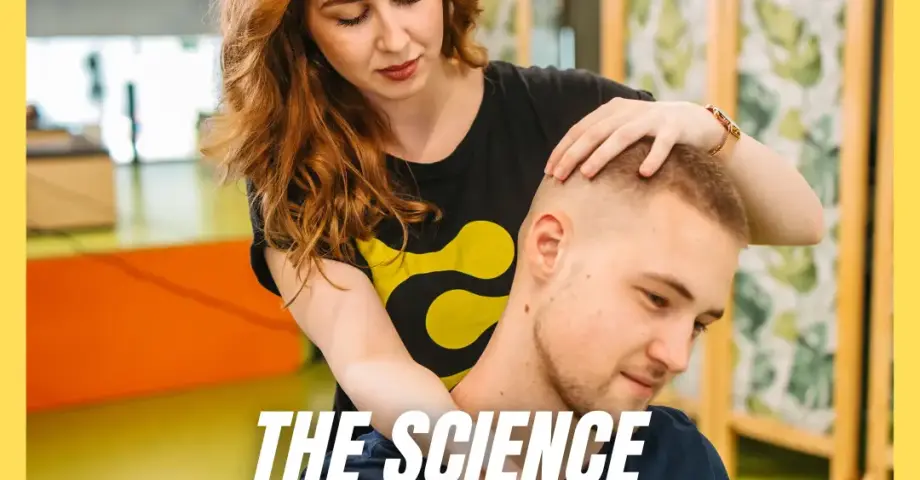
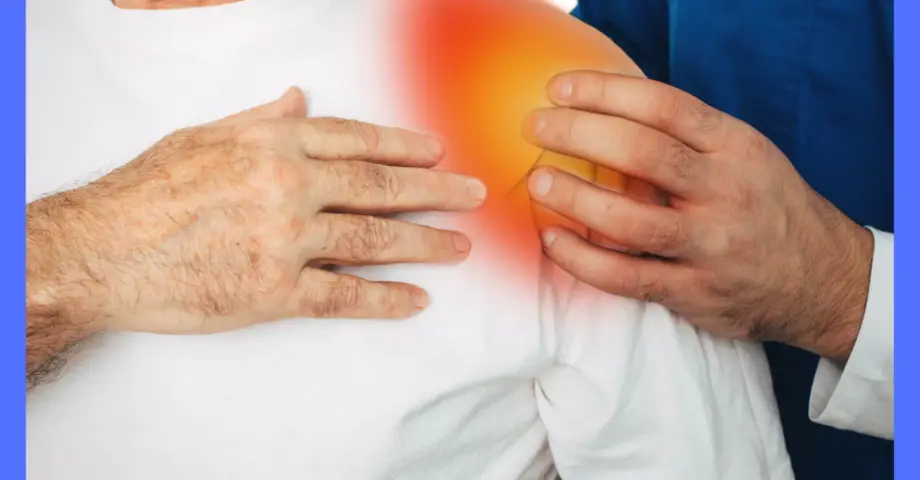
Fear gathers in the stomach, stress in the neck and shoulders, and sadness often presses on the chest. When these emotions don’t find a way to express themselves, the body “locks” them in the muscles, tendons, and fascia.
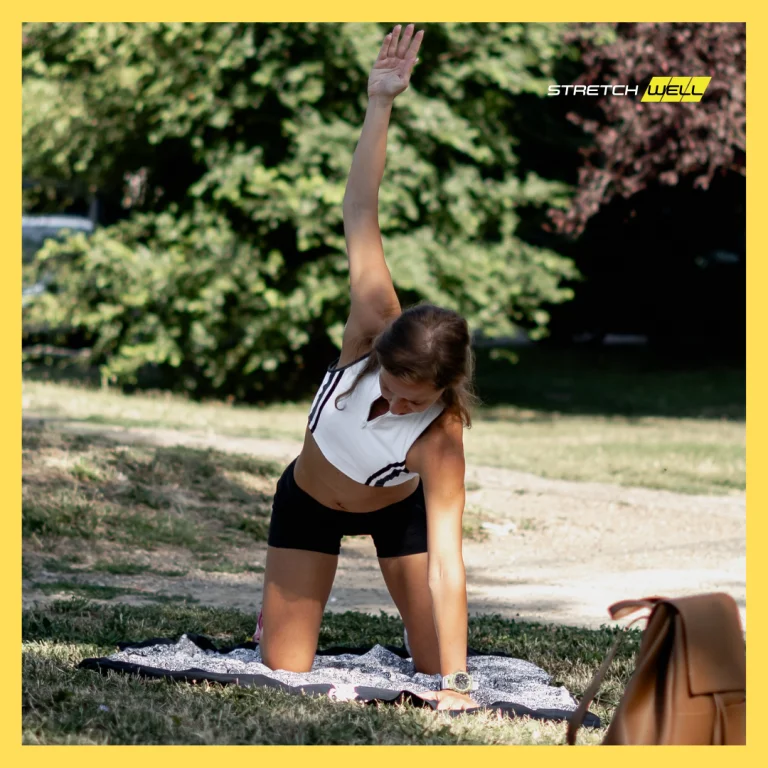
Stretching becomes a space in which the body learns to release what the tension has retained. At the moment when we move with attention, mechanisms are activated that calm the nervous system and restore a sense of emotional balance.
Movement and emotions – the physiology of connection
Science is increasingly proving that there is a two-way communication between the body and emotions. At the center of this connection is the vagus nerve, the largest nerve in the parasympathetic system that connects the brain to the heart, lungs, and digestive tract.
When we stretch and breathe slowly, the vagus nerve sends a signal to the body that it is safe. The parasympathetic regime (“rest and regenerate”) is activated, and at the same time the activity of the amygdala, the part of the brain responsible for stress and fear, decreases.
This change in state leads to a physiological “reset”: the pulse slows down, breathing becomes deeper, and the muscles become softer.
Neurochemistry of movement – hormones that bring peace
Mild stretching affects chemical processes in the brain. Studies published between 2022 and 2024 ( Frontiers in Psychology, Neuroscience Letters ) have shown that conscious movement performance and controlled breathing increase the secretion of serotonin and dopamine , hormones that stabilize mood and reduce anxiety.
At the same time, the level of cortisol, the stress hormone, is lowered, which creates conditions for the body and brain to enter a state of calm together.
This combination of biochemical changes explains why stretching not only makes us feel physically relieved, but also emotionally lighter.
Heart Rate Variability (HRV) and Emotional Resilience
One of the physiological indicators of emotional stability is HRV – Heart Rate Variability.
The higher the HRV, the more our nervous system is able to adapt to stress and return to a state of calm faster.
Research shows that regular stretching, especially in combination with conscious breathing, significantly improves HRV. This means that the body learns emotional resilience through movement, that it can feel stress, but that it does not get “stuck” in it.
The body as a map of emotions
Each emotion has its own bodily expression. Anger is often tightened in the jaw and chest, fear in the pelvis and legs, and sadness in the shoulders.
When we learn to listen to the body, we become able to recognize where emotions remain “trapped”.
Stretching helps to restore body awareness – proprioceptive feedback between the muscles and the brain allows us to recognize tension and gradually release it. This process is physiological, but also deeply psychological.
Mindfulness in motion – how body and mind meet
When stretching is done with care, it becomes a form of movement meditation.
Conscious breathing, slow pace, and the presence of movement activate the parts of the brain responsible for introspection and self-regulation. According to neuroimaging research, these are regions of the prefrontal cortex and the insula, areas that allow us to feel the body from the inside and connect it with emotions.
At that moment, the body ceases to be just a “vehicle”, and becomes a tool for understanding its own internal states.
Conclusion – when the body learns to let go, and the mind begins to change
Stretching is not just a physical activity, but a process of communication between the body and emotions.
Through movement and breathing, we do not “escape” from emotions, but teach them to move freely through the body.
When tension is released from the muscles, space is also freed up for emotional clarity.
That’s why in the StretchWell approach, movement is not only a means of flexibility, but also of internal stability.
When the body learns to let go, the mind can finally calm down.