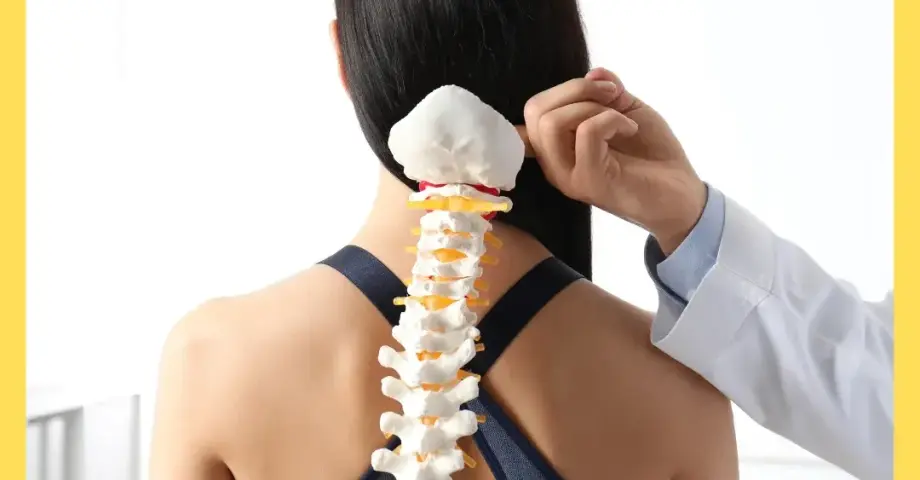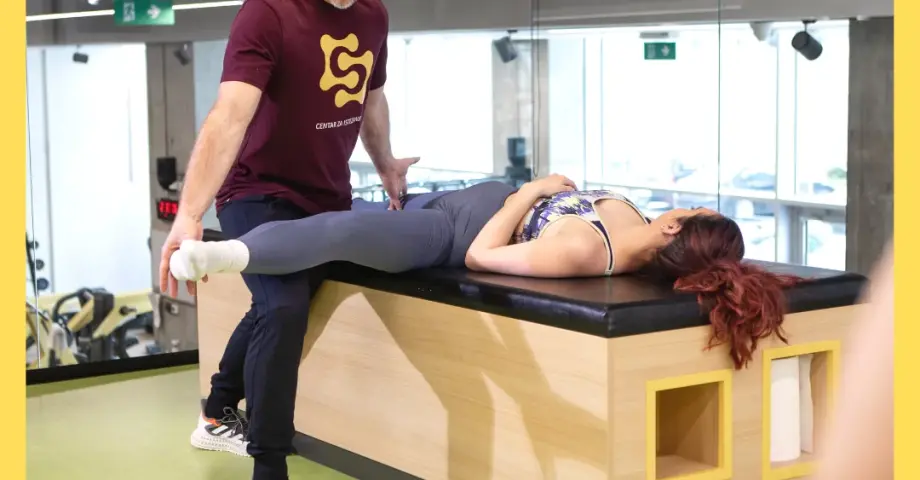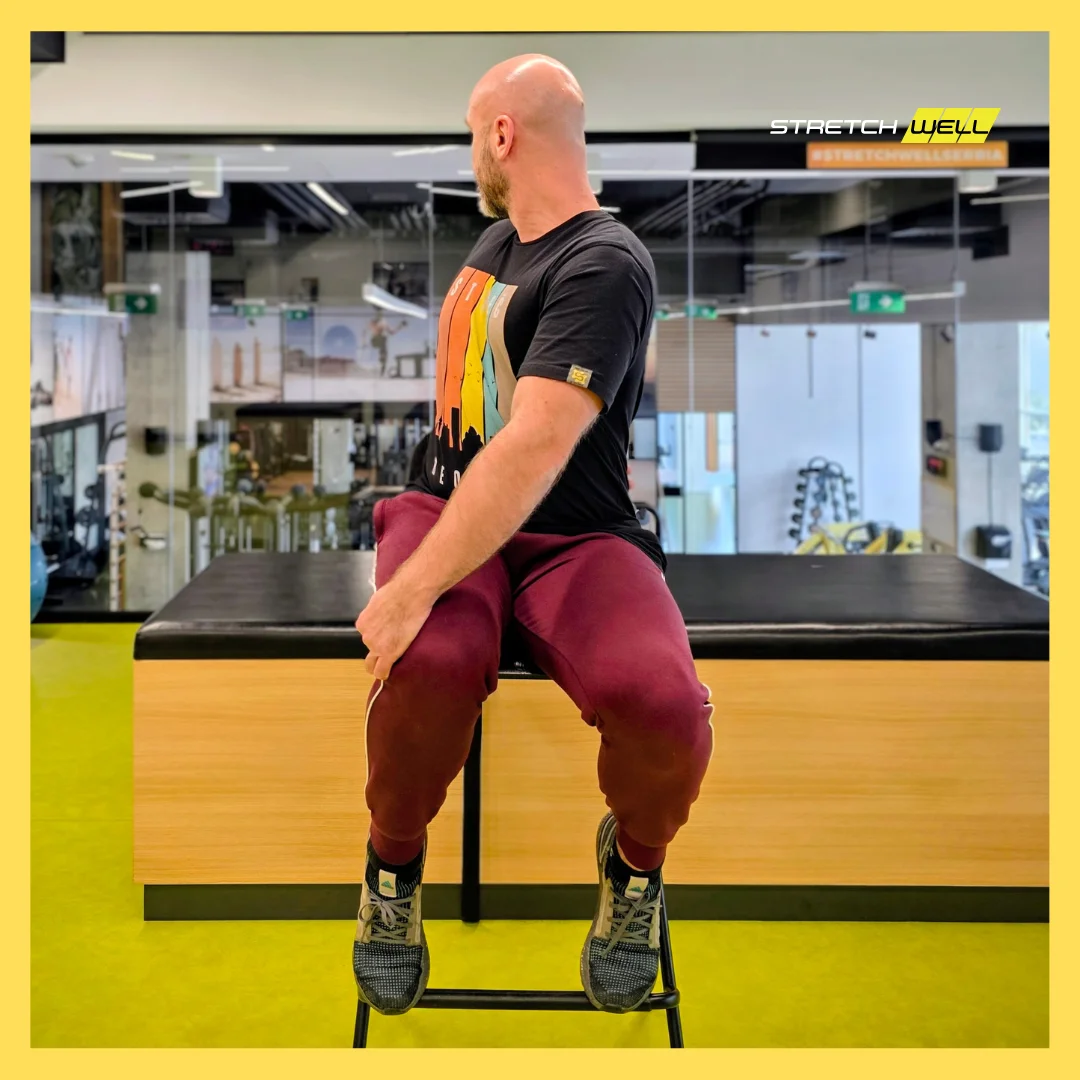
Introduction: Fascia – the hidden organ that shapes your movement and your tension
For a long time it was believed that the body moves thanks to muscles, while fascia serves only as a “sheath”.
Today we know that this is a misconception.
Fascia is the largest continuous connective tissue organ in the body, a network that envelops everything: muscles, bones, nerves, blood vessels, and organs. It is essential for movement, flexibility, stability, proprioception and pain.
When the fascia is healthy, the body moves easily and fluidly. When it is tightened, movement becomes restricted, and pain occurs without injury.
Recent research shows that slow, proper stretching has a direct impact on the fascia and its relationship with the nervous system. It is this connection that explains why after proper stretching, the body feels lighter and the mind calmer.
1 . What is fascia and why is it so important?
Fascia is a three-dimensional network of collagen and elastin that envelops all the structures of the body and connects them into a single whole.
It works as:
- sensory organ (rich in receptors for position and pressure),
- mechanical shock absorber,
- The Force Carrier,
- Stability and Coordination Controller.
- support of the nervous system.
Due to the high density of receptors, fascia has a huge impact on the sense of movement and on the perception of pain.
Tight fascia can send increased tension signals to the nervous system, even when the muscles are not the primary cause of the problem.
2 . How stress changes the fascia
Cortisol, emotional tension, lack of sleep, prolonged sitting, and physical inactivity alter the physical properties of the fascia.
It becomes:
- denser,
- It’s less slippery,
- dehydrated,
- more reactive to pressure.
This leads to a feeling of stiffness in the neck and shoulders, chest tightness, stiff back, heavy hips, or impaired mobility in the morning.
In other words, the fascia remembers what the nervous system is experiencing.
3 . Stretching activates receptors in the fascia that calm the nervous system
The fascia houses Ruffini’s mechanoreceptors — sensory units that respond to slow, continuous stretching.
When they are activated:
- Reduce sympathetic activation (fight or flight)
- Enhance parasympathetic activation (REST & DIGEST)
- reduce muscle tone,
- reduce pain,
- It leads to a feeling of relief in the body.
That is why, after proper stretching, there is a feeling of peace, slowing down and a clear “change of state” in the whole system.
4 . Fascia works in chains – that’s why pain travels
Fascia connects the body into functional lines :
- deep posterior line (foot–calf–hindquarters–back–neck),
- spiral line (rotation),
- lateral line (lateral structures),
- front chain.
If the fascia is not sliding in one place, the tension is transmitted along the entire chain.
That is why neck pain can originate from the hips.
That’s why a stiff chest affects the lower back.
That’s why the tight hamstrings affect the posture of the whole body.
Stretching that affects the fascial chains – and not just the isolated muscle – gives longer-lasting effects.
5 . How fascia regenerates and why you need to slow down
Unlike muscles, fascia is restored through:
- slow movements,
- longer to hold the position,
- wave mobilizations,
- proper breathing,
- light load.
Aggressive, rapid stretching does not affect the fascia, it only irritates the nervous system.
Fascia responds to quality, not intensity.
That’s why short, daily routines (10–15 minutes) are much more effective than occasional “plucking” of tissue.
6 . When the fascia calms down, the whole way the body functions changes
When the fascia is rehydrated, it softens and begins to slide again:
- Stability is improving.
- pain decreases,
- Movement becomes easier.
- proprioception is stronger,
- The nervous system becomes more stable and less reactive.
That is why proper stretching affects pain, posture, breathing and emotional state.
This is not “stretching the muscles”.
It is the regulation of connective tissue and the nervous system.
Conclusion : Fascia is the key to long-term mobility and pain reduction
If we want a stable, elastic and less reactive body, we have to work with fascia, not against it.
Proper slow stretching changes the way fascia slides, how it transmits forces, how it interprets tension, and how it sends signals to the brain.
When the fascia is healthy, the whole system feels lighter.
At StretchWell, that’s why we approach movement through the nervous system, breathing and fascia – because that’s where the real balance begins.