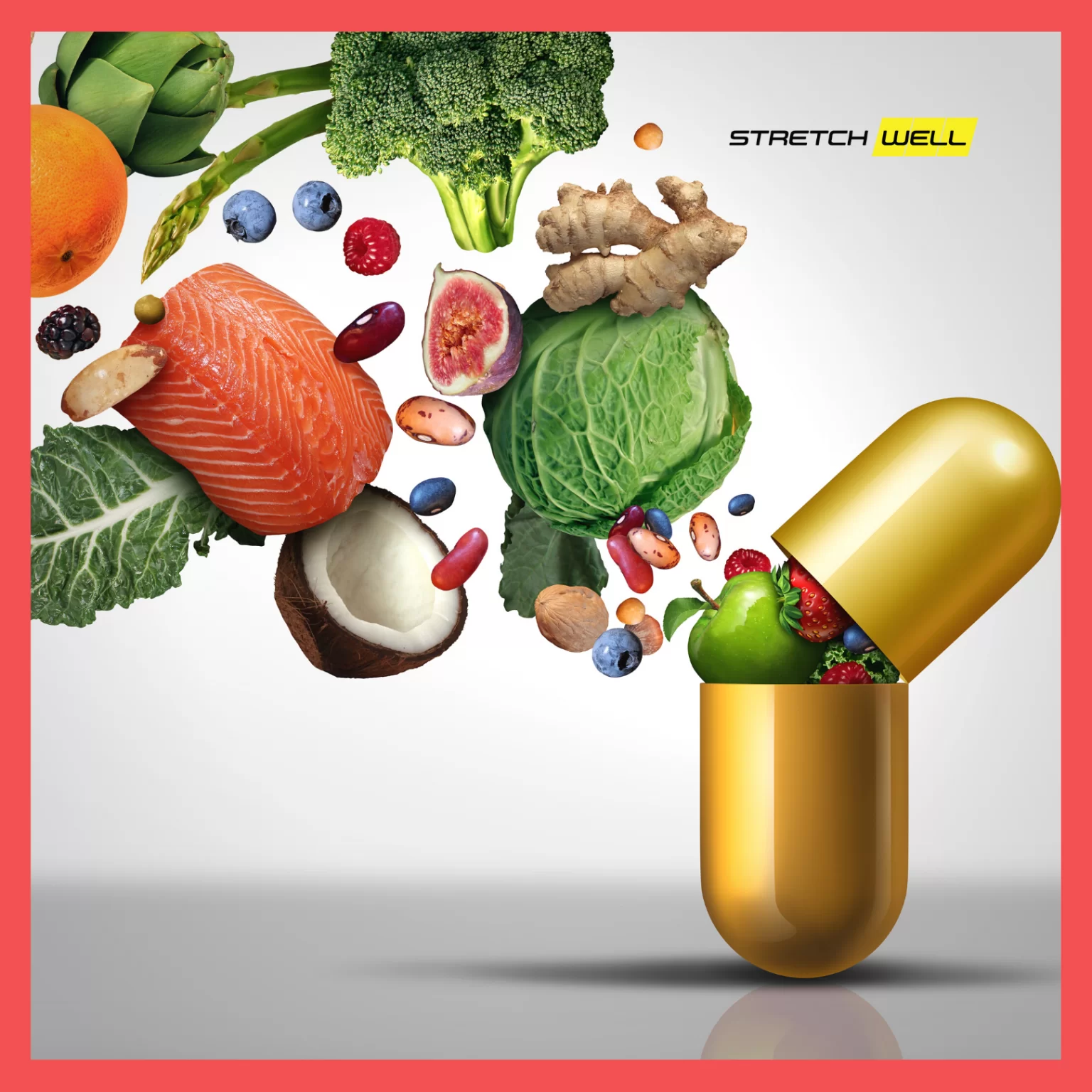
Vitamins are organic compounds that are necessary for the normal functioning of the body, and which the human body is generally not able to produce, so they must be ingested through food or supplements in satisfactory quantities on a daily basis. Only some of them can be produced by the body on its own, and from other compounds called provitamins.
Vitamins are one of the six essential nutrients, along with carbohydrates, fats, proteins, minerals, and water. In the diet, they are classified as micronutrients. The body’s need for certain vitamins increases at the time of intensive human growth, during pregnancy, breastfeeding, strong physical and mental efforts, in exhaustion of the body and in some disease conditions (hyperthyroidism).
With a lack of vitamins in food, hypovitaminosis occurs, and with a complete absence of vitamins in food – avitaminosis. If this vitamin deficiency lasts longer, it can lead to serious health problems of the body, and even death.
Distribution of vitamins
Since vitamins are very different in terms of their properties, chemical structure, role in the body, the way and the place where they act with each other, they can be roughly divided based on their solubility into:
- hydrosoluble – soluble in water (B complex vitamins and vitamin C); These vitamins are easily absorbed into the blood, do not have a stable form to be deposited, circulate through the body and are ready for the current needs of the body. Most water-soluble vitamins are not stored in the body in large quantities, so it is important to regularly consume foods that contain them. When the concentration of vitamins exceeds a certain amount, the body excretes them through the urine.
- liposoluble – fat-soluble (vitamins A, D, E, K); These vitamins behave in the gastrointestinal tract in the same way as food fats. Normal absorption of fats is also required for the absorption of these vitamins. After absorption, these vitamins are transported and accumulate in the liver (vitamins A, D and K) or adipose tissue (vitamin E) for different periods of time. If these vitamins accumulate and are stored in large quantities, there can be serious consequences for the body itself (especially in the case of vitamins A and D), since these vitamins are not excreted in the urine (or are excreted in insufficient quantities). However, these vitamins are more likely to appear in the bile and then excreted in the feces.
These vitamins cannot be directly absorbed into the blood, but are converted by the body into a form that is suitable for this. When such a vitamin is found in the blood, it travels to the place where it is stored, which is usually the liver. When the body needs vitamins, they are brought to this place with the help of special protein-carriers.
How do certain vitamins affect those who play sports?
Vitamin A
Vitamin A is extremely important for good vision, and visual disturbances directly indicate its deficiency. It is also important for the health of the skin and mucous membranes, contributing to the overall health of the immune system.
Sources of vitamin A are: carrots, eggs, melon, salmon, apricots.
Vitamin B
B vitamin complex contains thiamine (B1), riboflavin (B2), niacin (B3), cyanocobalamin (B12), folic acid (B9), pyridoxine (B6), biotin and pantothenic (B5) acid. Each in its own way helps to improve the functioning of our body. Vitamin B has the ability to easily break down carbohydrates, speed up muscle recovery and help the development of new cells.
- vitamin B1 – Thiamine (for good nerves and energy): wholemeal bread, wheat grains, yeast, potatoes, lean pork, milk;
- vitamin B2 – Riboflavin (for strength and growth): brewer’s yeast, pork liver, kale, spinach, milk;
- vitamin B3 – Niacin (anti-pellagra, contributes to the beautiful and healthy appearance of the skin, as well as the normal functioning of the nervous and digestive systems): meat, liver, eggs, milk, fish, potatoes, green vegetables, yeast;
- vitamin B5 – Pantothenic acid (for good nerves, hair, metabolism): meat, legumes, eggs, fruits and vegetables;
- vitamin B6 – Pyridoxine (for pregnant women and children): wholemeal bread, veal liver, mackerel, legumes, dried soybean sprouts, peppers;
- vitamin B7 – Biotin (hair, nails, skin, energy, sugar regulation): nuts, fruits, brewer’s yeast, whole grain rice, wholemeal bread, eggs, mushrooms, yeast, milk;
- vitamin B9 – Folic acid (for pregnant women, against anemia): liver, kidneys, green vegetables, yeast and nuts;
- vitamin B12 – Cobalamin (the most important in connection with metabolic processes, affects blood health): fish, seafood, milk, liver, heart and fermented cheeses.
Vitamin B1 deficiency can cause anemia, muscle weakness and leg muscle cramps, while insufficient intake of vitamin B2 is predominantly reflected in inflammatory changes in the skin. In the absence of vitamin B9, mainly nausea and irritation of the mucous membranes occur.
Vitamin D
Its greatest function is in maintaining normal levels of calcium and phosphorus in the blood, and in addition, it stimulates the absorption of calcium from the digestive tract and its incorporation into the skeletal system (bones and teeth). In addition to the fact that it absorbs calcium and thus strengthens our bones and muscles, vitamin D helps reduce inflammatory processes in the body and regulate the immune system.
Vitamin D is produced in the skin from provitamin D under the influence of ultraviolet rays. Since the amount of UV rays is low during the winter, vitamin D deficiency occurs and it is necessary to compensate for it with appropriate foods that are rich in this vitamin.
Sources of vitamin D: fish oil, eggs, mackerel, wild salmon.
Vitamin C
Vitamin C successfully protects against infections and strengthens the immune system. It is excellent for accelerating recovery from illness and preventing later viral phenomena. This powerful antioxidant produces collagen – a protein in the human body that helps repair muscle tissue, tendons and blood vessels. Vitamin C also helps to release lactic acid from the muscles.
Sources of vitamin C: pomegranate, lemon, currant, grapefruit, orange, strawberry, bell pepper, kiwi, kale, broccoli.
Vitamin E
During strenuous training, protein creatine kinase is released into our bloodstream. It is vitamin E that improves blood circulation and thus helps our body to more efficiently get rid of this protein that causes inflammation. Vitamin E also protects the body’s cells from harmful free radicals.
Sources of vitamin E: sunflower oil, seeds, almonds, peanuts, eggs, avocados, kale, paprika, butter.
Vitamin F
Vitamin F or Omega 3 is made up of two essential fatty acids: linoleic acid (LA) and alpha-linoleic acid (LNA), to which arachidonic acid has been added.
Vitamin F is not produced in our body, but it dissolves in fats, which means that it can be stored in the body and released in small amounts when needed. Therefore, it is not necessary to enter the body through the diet on a regular basis.
Vitamin F or Omega 3 prevents atherosclerosis by preventing the buildup of triglycerides and cholesterol in the arteries. It also promotes weight loss and improves the quality of the skin and hair.
Sources of vitamin F: fish and seafood, flaxseed, soybean oil, pumpkin seeds, sunflower seeds, leafy vegetables, almonds, peanuts, walnuts.
Vitamin K
Vitamin K contributes to the strength of bones and the activation of proteins involved in bone metabolism, and also affects blood clotting.
Sources of vitamin K: Brussels sprouts, kohlrabi, spinach, cauliflower, chicken breast, beef, mushrooms.