What’s the flexibility?
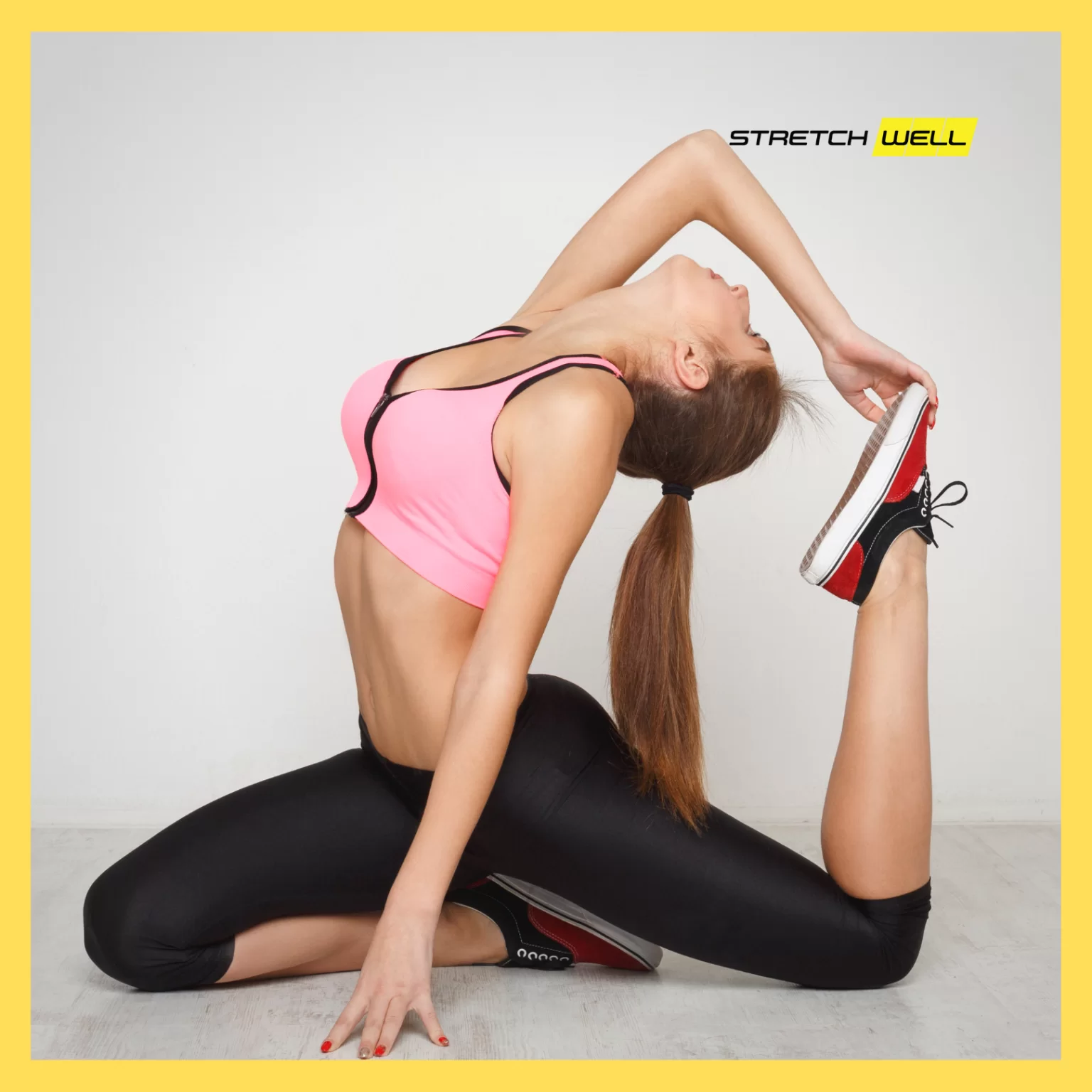
Flexibility is the ability of a joint or group of joints and muscles to move through a full range of motion without feeling pain. Flexibility is necessary to perform daily activities such as getting out of bed, walking, bending over, exercising, etc. The more mobile a person is, the better their flexibility usually is, while a sedentary lifestyle usually results in reduced flexibility.
Why are some people more flexible than others?
There are many factors that affect a person’s flexibility. Among them are the following:
Gender : Women’s bodies are designed for childbearing. This makes it easier to adjust the female anatomy, especially around the hips.
Exercises : Some types of exercises can help a person become more flexible, such as yoga, pilates and stretching exercises. This type of movement can also help improve the sense of balance and can increase muscle strength.
Muscle elasticity: Muscle elasticity refers to muscles and tendons that work together to allow the body to stretch and return to its original state during and after activity. This is something that can be achieved with stretching exercises. Muscle tension is also an important factor, as muscles are less flexible if they are under tension or inflammation.
Age : As we age, we naturally lose some of the elasticity of the muscles. However, there are things we can do to stay flexible over time. In fact, flexibility is one of the main factors that allows a person to remain independent with age. Stretching exercises, strength exercises, yoga, and tai chi are good examples of activities that help maintain flexibility.
Anatomy (genetics): Our flexibility depends a lot on the length of our muscles, the condition of our tendons, and the length of the bones in our body. This can be improved to some extent, but it is inevitable that our bodies have natural limitations. Even people with the most flexible muscles will not be able to create a twine if their joint does not allow the femur to rotate enough in the hip. Sometimes the joints, no matter how much you stretch, do not move that way and the skeleton does not have space to create these positions.
How to become more flexible?
You can become more flexible by incorporating regular exercise and stretching into your lifestyle. Joint mobility exercises increase flexibility and reduce the possibility of injury when playing sports or participating in high-intensity exercise. Get to know your body and don’t push yourself too hard. If you try to stretch deeper (more intensely) and feel pain, slowly return to the starting position. Gently enter stretching poses. In the beginning, it would be best to do them either after a workout or some activity that involved the whole body, by no means warmed up! Be regular and you will be surprised at how quickly you will make progress. Be patient and give your body enough time to respond to your work.
Moving the body is something that should be done with joy and as a celebration of what you are capable of, not as a punishment for what you are not. The same philosophy can be applied to stretching. Be guided by what pleases your body. Forget the idea of “perfection” and fully accept where your body is at the moment and move forward from that level.