

All blog posts
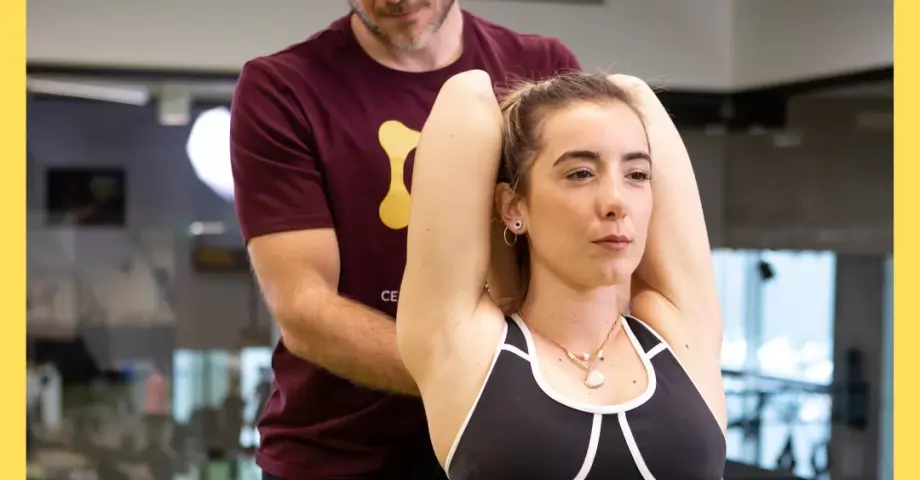
When is the right time to get out?
One of the most common questions people who introduce stretching into their rhythm of life is, “When is the best time to stretch?” The answer can be different and depends very much on the goal for which you are stretching,…
Read post
Active stretching
Active stretching is performed without any aid or assistance. This form of stretching uses the power of the antagonist muscles to generate stretching in the muscles we are targeting, the agonists. The contraction of the opposite muscles actually helps us…
Read post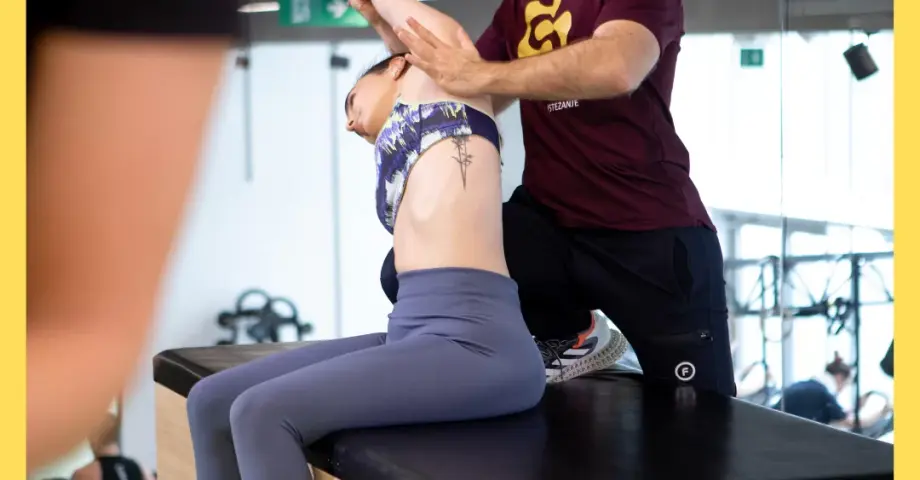
Development of the PNF
What we know today as PNF began as “proprioceptive facilitation,” a term developed by Dr. Herman Kabat in the early 1940s. In 1954. Dorothy Voss added the word “neuromuscular” to complete the current name proprioceptive neuromuscular facilitation. Dr. Kabat’s conceptual…
Read post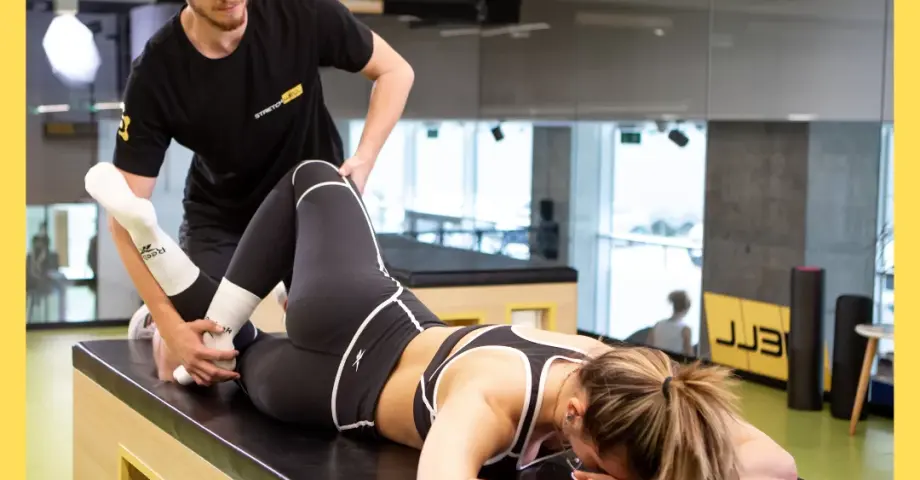
Rehabilitation and stretching
Stages of soft tissue healing After a connective tissue injury, whether it is a mechanical injury (including surgery) or chemical irritation, the tissue begins to react to the injury. Biological tissue is subjected to mechanical trauma in the form of…
Read post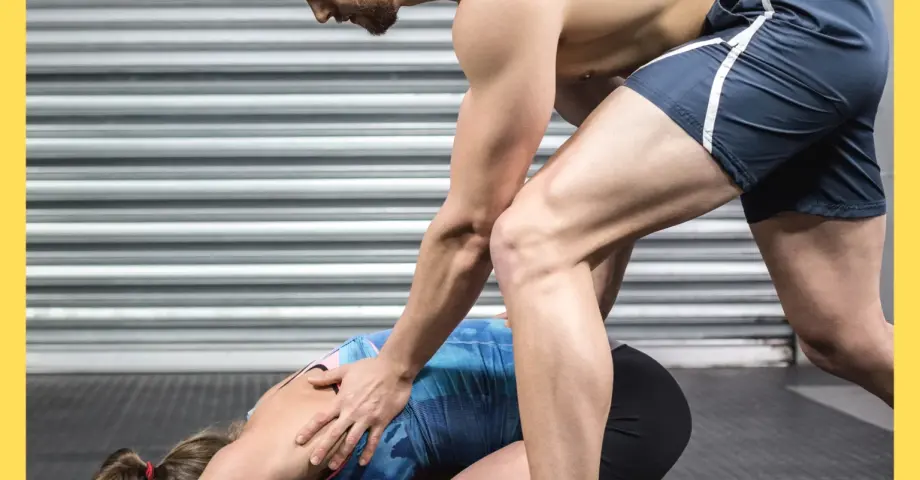
How can professional stretching help you?
More and more people are beginning to realize the fact that stretching is just as important for the average person as it is for the athlete. In addition to making us feel good, stretching also improves blood circulation, increases flexibility,…
Read post
Collagen
Collagen is found in all multicellular organisms. The most abundant protein in vertebrates is found in all tissues (25% of all proteins). This protein is the main molecule of all connective tissues. The name collagen comes from the Greek word…
Read post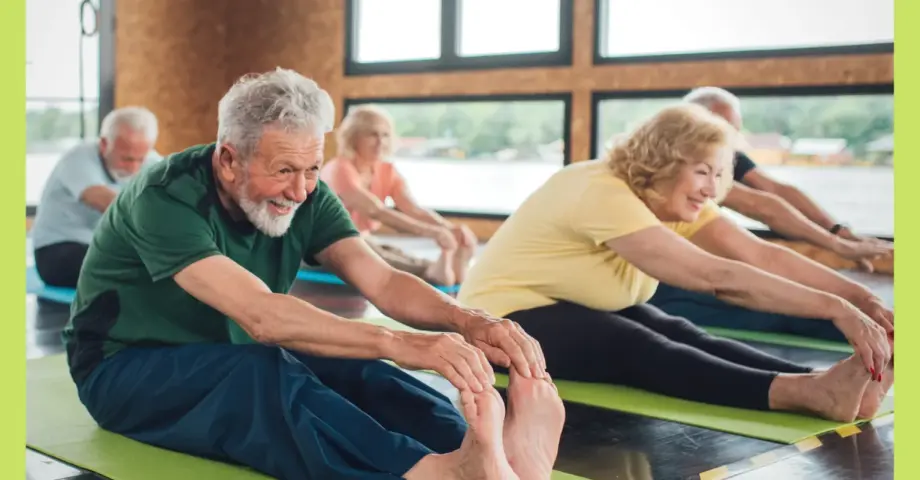
Flexibility in the elderly
Regardless of our age, we all want to be flexible. Flexibility is an essential component of good health and fitness, and it is especially important for the elderly. We don’t mean the kind of flexibility that you can do twine…
Read post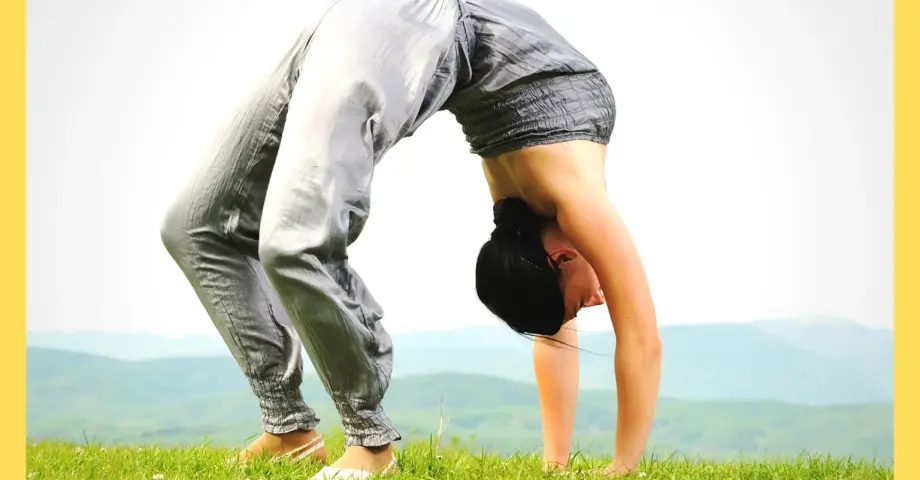
How Can Flexibility Training Change Your Physical Abilities?
By “being in shape,” most people mean going to the gym three times a week, but being physically fit is much more than that. You can’t immediately conclude that a person is in the best shape based on their ability…
Read post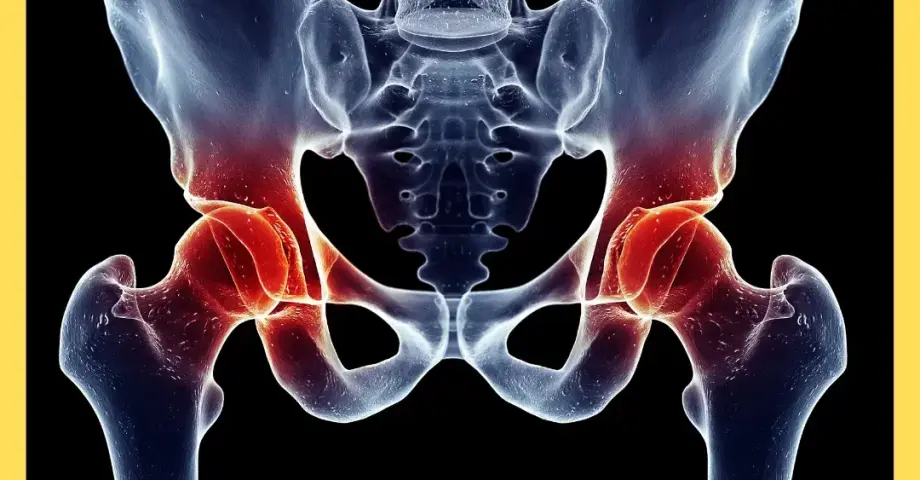
Coxarthrosis
Coxarthrosis belongs to the group of diseases of degenerative rheumatism, which means that the cartilage in the joint thins over time. This leads to pain and limited movement in the hip joint. Risk factors Most often, coxarthrosis is caused by…
Read post