

All blog posts
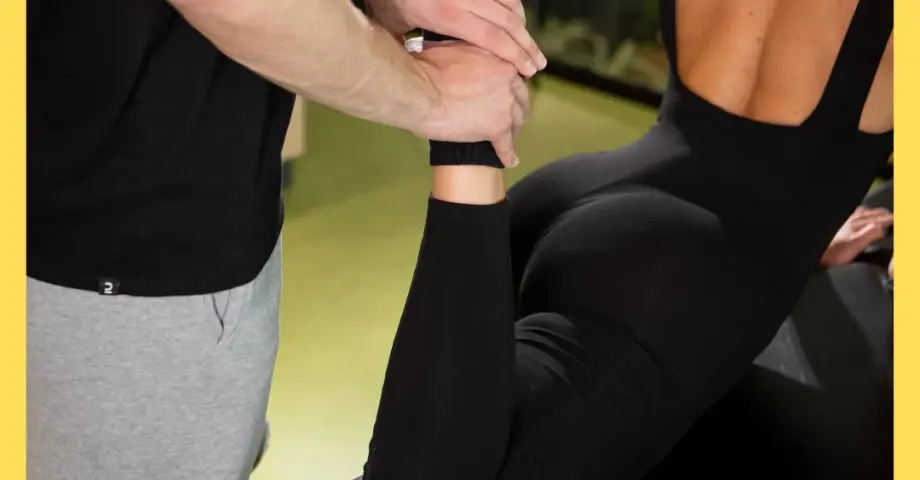
Development of the PNF
P – PROPRIOCEPTIVEN – NEUROMUSCULARF – FACILITATION Gallery What we know today as PNF began as “proprioceptive facilitation,” a term developed by Dr. Herman Kabat in the early 1940s. In 1954. Dorothy Voss added the word “neuromuscular” to complete the…
Read post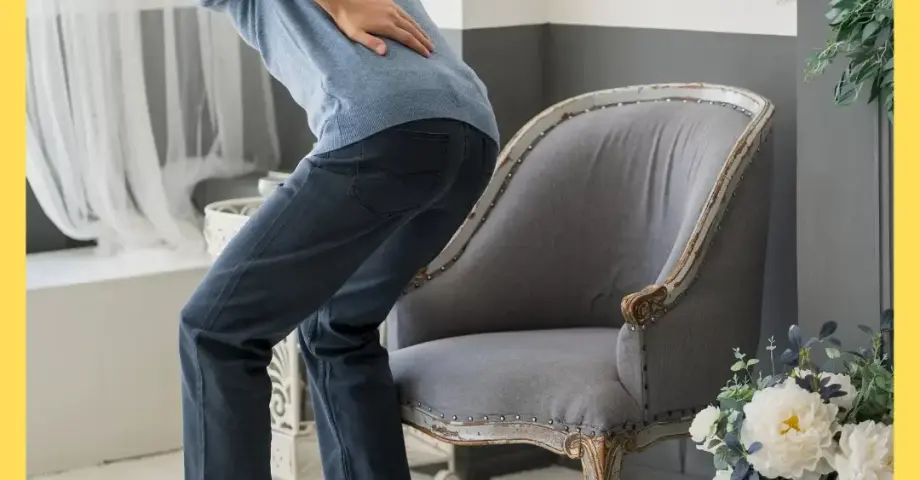
Do I have sciatica?
Sciatica is a term that refers to a set of symptoms that appear due to a contusion of the sciatic nerve. If you have symptoms such as pain that spreads from the lumbar back to the foot, tingling, inability to…
Read post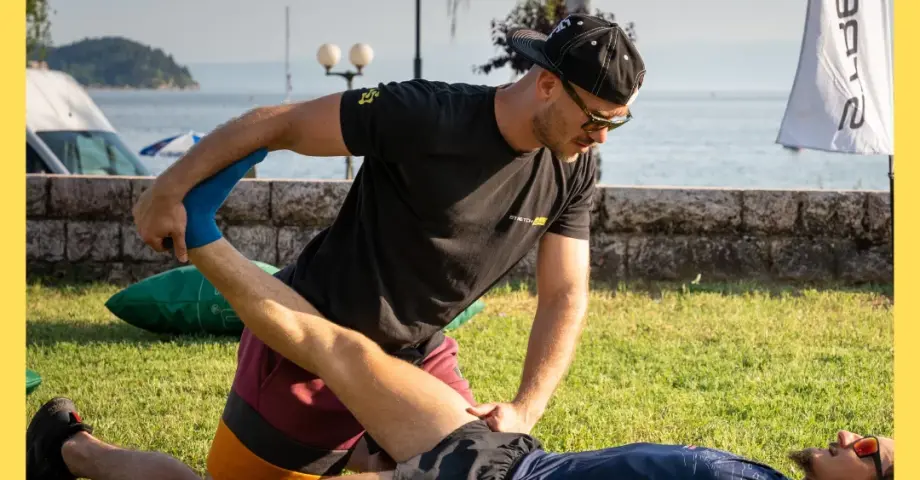
Pnf Stretch
An advanced form of flexibility training that involves both stretching and contracting targeted muscle groups or muscles. Developed primarily for rehabilitation where it has proven to be very effective, this method has continued to be used more and more in…
Read post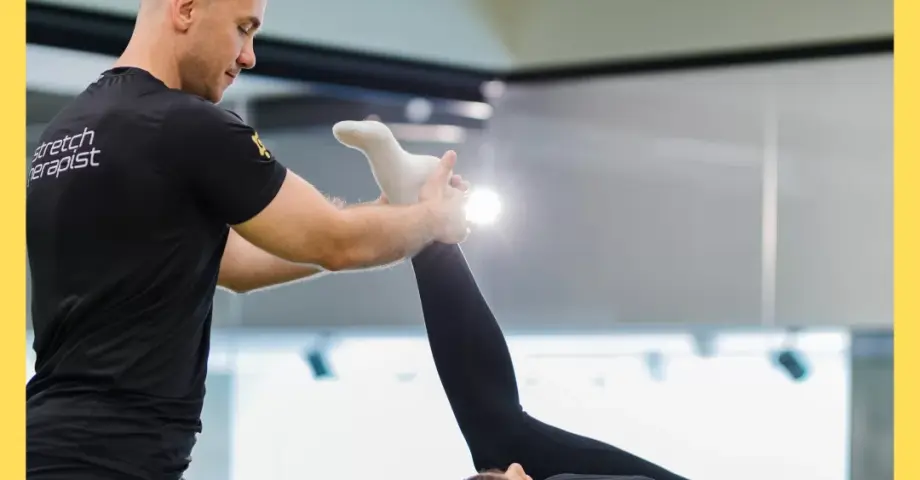
Mobility and Flexibility
What is the difference between flexibility and mobility? Mobility is the active performance of a certain range of motion in the joint. Flexibility is the ability of a muscle to passively extend through a certain range of motion.Good mobility allows…
Read post
Rotator cuff rupture
Rotator cuff tendon rupture is one of the most common causes of shoulder pain and instability in adults. This problem can be found in a large number of people in adulthood. A tendon tear weakens the shoulder to a great…
Read post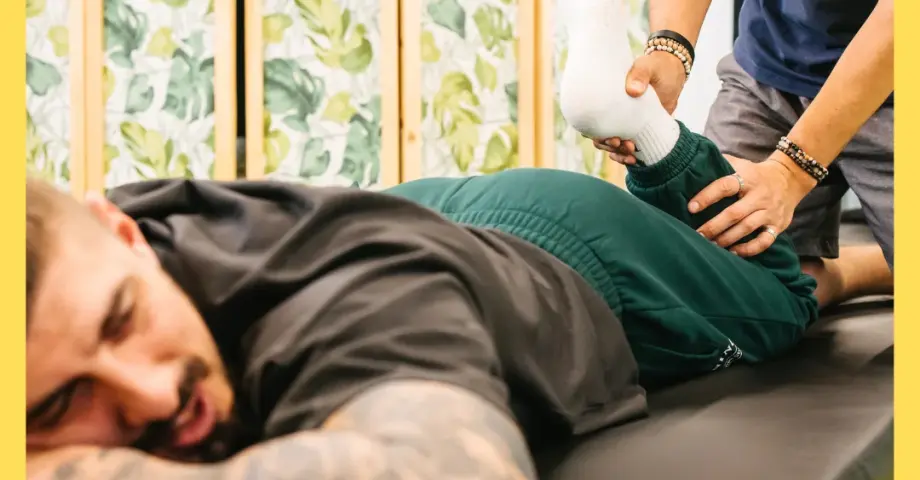
Stretching, Mobility and Mindfulness: The Three Pillars of Modern Health
Introduction : Why is the combination of movement and mind the future of body care? The modern way of life exhausts our bodies and minds. Hours spent in front of a computer, driving, or in meetings lead to stiffness, pain,…
Read post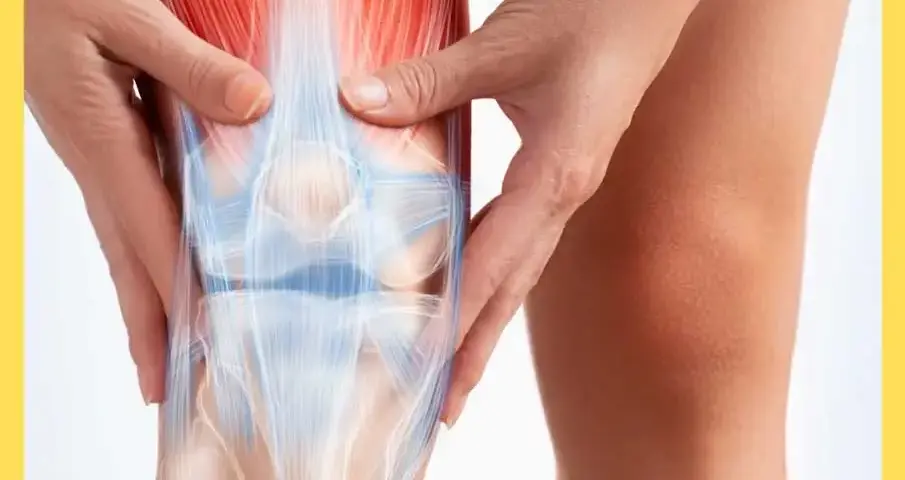
Jumping knee
Jumper’s knee is a term that refers to inflammation of the patellar tendon. Other names for jumper’s knee can also be patellar tendinopathy and morbus osgood schlatter. How do I know if I have jumper’s knee? Characteristic of inflammation of…
Read post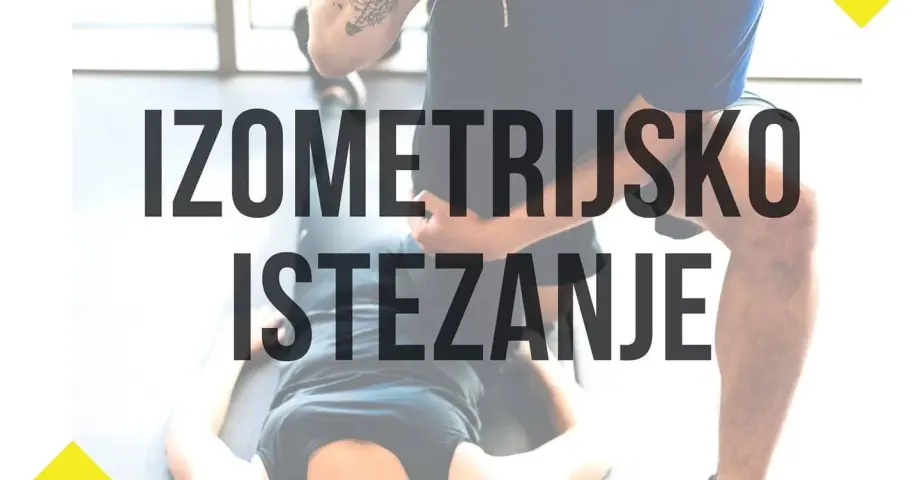
Isometric stretching
Isometric stretching is a type of static stretching similar to PNF, but the contacts are held for a longer period of time. This type of stretching puts the muscles under great strain, so it is not recommended for children and…
Read post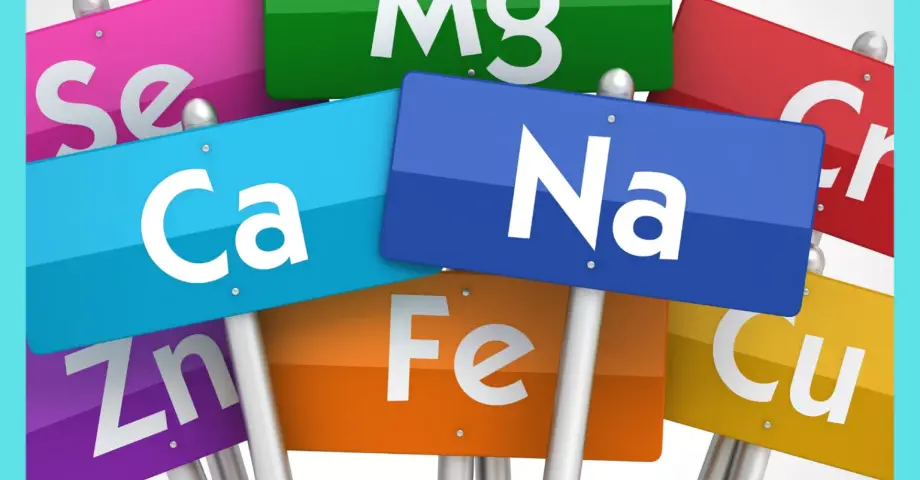
Minerals
Minerals are natural compounds with a characteristic chemical composition, responsible for contributing to the optimal functioning of many physiological processes in the body. Minerals are essential for all living organisms in addition to the basic four elements: carbon, hydrogen, nitrogen,…
Read post