

All blog posts
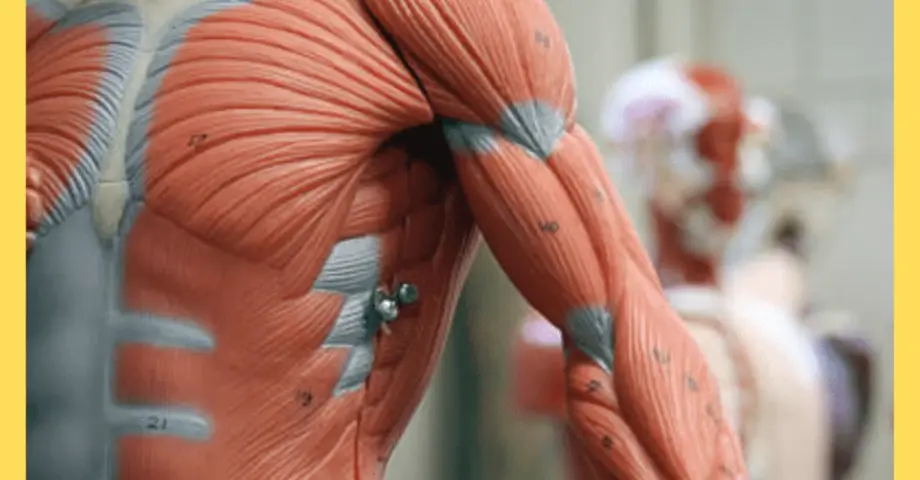
Muscle structure
Muscle is a soft tissue, made up of special fibers (known as muscle fibers) that have the ability to contract. Muscle fibers are made up of a special type of cell called myocytes, which contain strands of actin and myosin…
Read post
Types of muscle fibers
Slow muscle fibers (often referred to as type I) are slow-shrinking fibers that are very durable, i.e. They have a high resistance to fatigue. Type I muscle fibers play a role in maintaining posture and are predominantly activated during lower-intensity…
Read post
Why are some people more flexible than others?
What’s the flexibility? Flexibility is the ability of a joint or group of joints and muscles to move through a full range of motion without feeling pain. Flexibility is necessary to perform daily activities such as getting out of bed,…
Read post
Energy-rich nutrients – Fats
The energy needed for cellular functions during rest and muscular exertion is obtained by the body from carbohydrates, fats and proteins. Energy for muscle work can be created anaerobically, by the process of glycolysis, where glucose or glycogen is exclusively…
Read post
What is stretching?
Muscle stretching can be defined as an increase in the length of muscle tissue. To understand the concept of stretching a little better, we need to start with anatomy and which structures have the ability to stretch. The human locomotor…
Read post
Carpal tunnel syndrome
Carpal tunnel syndrome occurs when there is pressure on the median nerve in the wrist. Risk factors: Symptoms: Diagnosis Testing for carpal tunnel is carried out through a neurodynamics test, specifically testing the mobility of the median nerve. Treatment As…
Read post
Muscle physiology
The main functional function of muscle tissue (whether it is striated or smooth, white or red) is its excitability. This irritability is most often manifested by shortening, spasm (contraction) of muscle fibers, which occurs under the action of external or…
Read post
The Benefits of Working with a Stretch Therapist and the Reasons Why You Need One
Whether you’ve decided to do mostly light or cardio workouts, or to do weightlifting, you know how intense workouts can affect your body. As your body works hard every time you exercise, your cells need more oxygen. Your heart pumps…
Read post