


All blog posts

Stretch & Stress-Less
A 10 Minute Guide to a Tension-Free Body and a Chaos-Free Mind Do your shoulders “raise your collar” as soon as you open your emails, and a feeling of tightness in your chest after the third Zoom in a row?…
Read post
Nutrition of athletes
In general, about the nutrition of athletes Due to the higher energy consumption, physically active people also have increased nutritional requirements. In addition to other important factors for practicing sports, such as good health and physical predisposition, adequate nutrition is…
Read post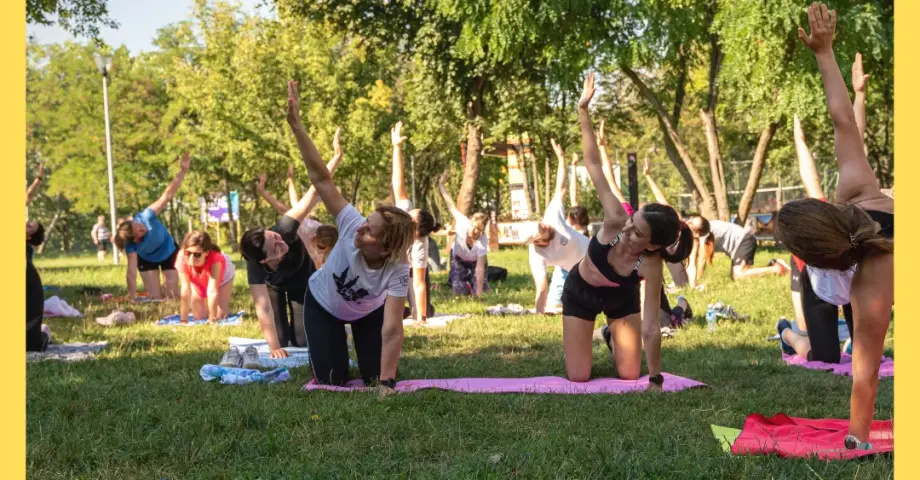
Stress and physical activity
What’s the stress? Stress is a set of non-specific reactions of the human body to harmful factors from the work and living environment. Harmful factors from the human environment activate the adaptation mechanism in the body in order to protect…
Read post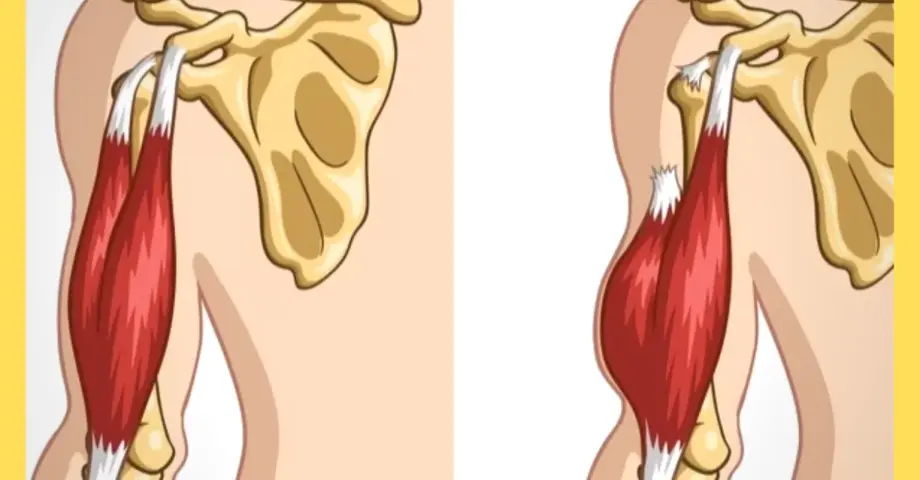
Biceps rupture
A muscle rupture is defined as a complete or partial tear of muscle fibers or due to strain or rupture of a tendon. In the case of biceps, there is mainly a strain or tearing (separation) of the tendon from…
Read post
Myofascial muscle relaxation
To begin with, it is necessary to note that any quality training (individual or group) should contain some basic components that should not be skipped. This applies to athletes, but also to recreational athletes. Each training process, in addition to…
Read post
What is Fascia?
If, like most people, you don’t have a perfect body without pain, you probably want to learn how to improve your physical health. A big part of this is understanding fascia. You may be wondering, “What is fascia and how…
Read post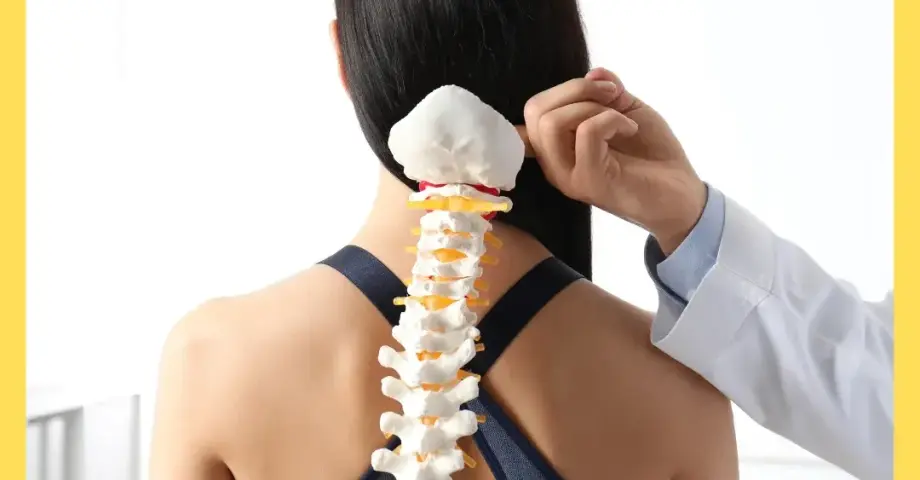
Is chiropractic safe?
Chiropractic is a manipulative technique where the goal is to solve mechanical disorders of the musculoskeletal system, especially the spine. Throughout its history, chiropractic has faced various controversies and criticisms. Although this type of care has shown some safe and…
Read post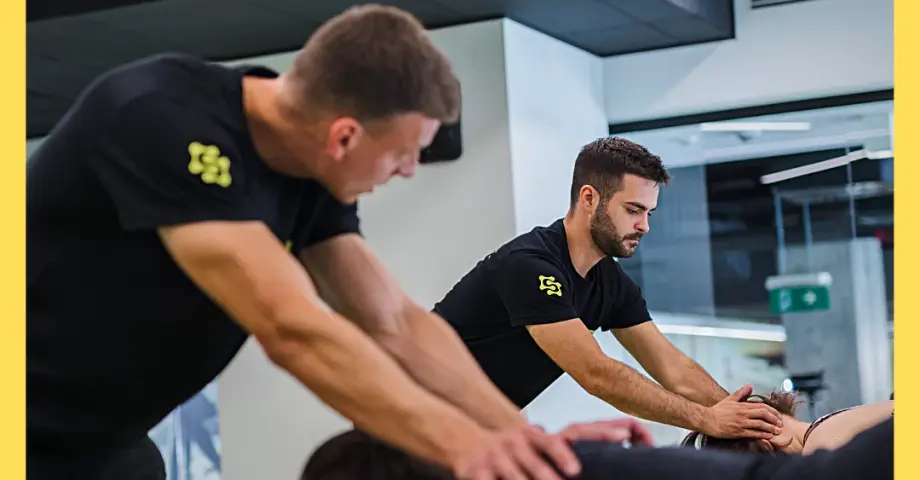
Trigger Points
What are trigger points and why do they cause chronic pain? What are trigger points? Trigger points are highly sensitive, thickened points within a muscle fiber that occur when a muscle is overworked, injured, or under prolonged stress. They are…
Read post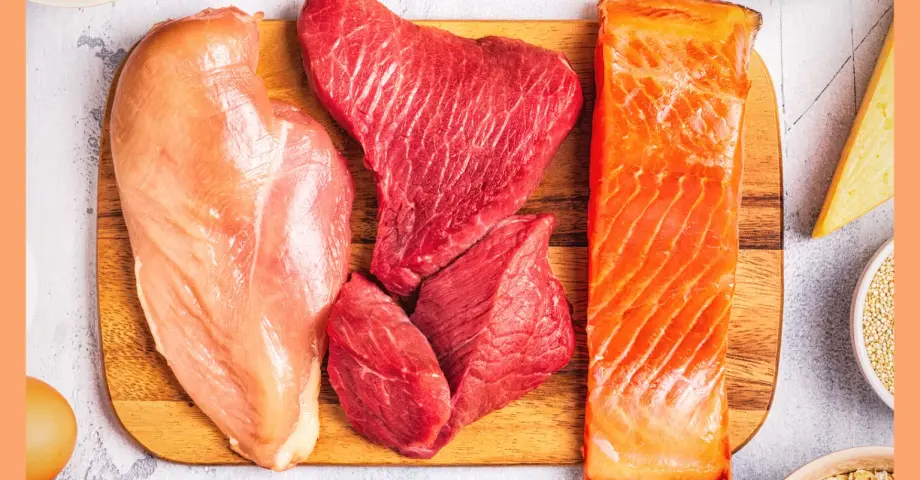
Energy-Rich Nutrients – Proteins
The energy needed for cellular functions during rest and muscular exertion is obtained by the body from carbohydrates, fats and proteins. Energy for muscle work can be created anaerobically, by the process of glycolysis, where glucose or glycogen is exclusively…
Read post